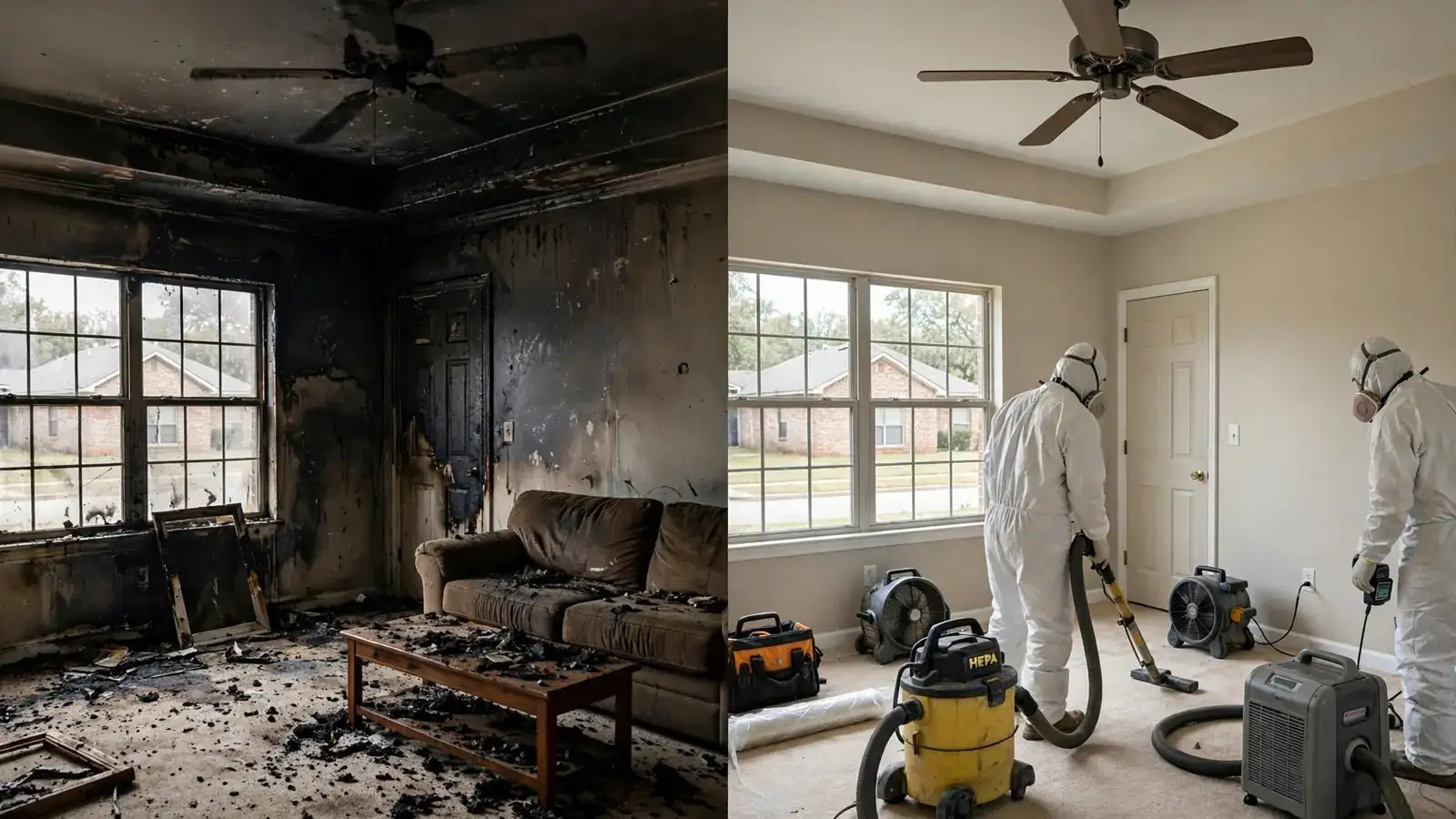
Key facts: Soot Removal in Fairmount
- Soot from a house fire can contain substances that make people sick, so the U.S. Fire Administration advises understanding the health risk before cleaning [1].
- IICRC S700 covers how professionals choose between dry and wet methods for removing fire residue [2].
- In Fairmount, where nearly every house predates 1978, scrubbing or sanding sooty paint can release lead dust [3].
Where soot settles in a Fairmount house
Soot follows air movement and settles on cool surfaces. In Fairmount houses that often means exterior walls, ceilings near the fire, the tops of door and window casings, and stairwells. Balloon-framed walls let soot rise inside the cavities, so it can appear in the attic and around outlets on upper floors.
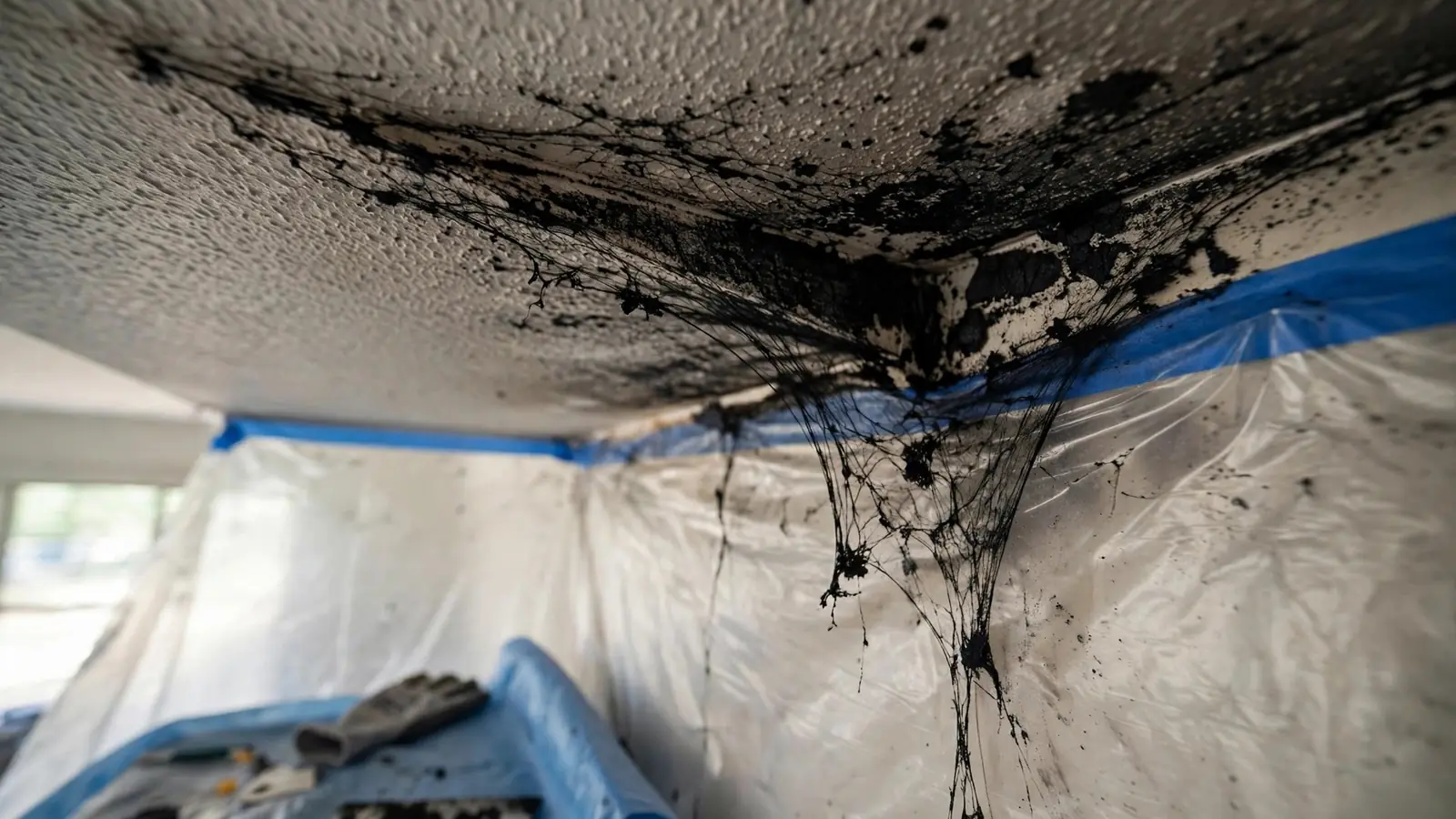
Look for gray outlines where pictures hung, dark lines along ceiling joists, and black strands hanging from corners. Those strands are soot webs, chains of residue that form along air currents, and they smear badly if you brush them.
Why dry removal comes first on old surfaces
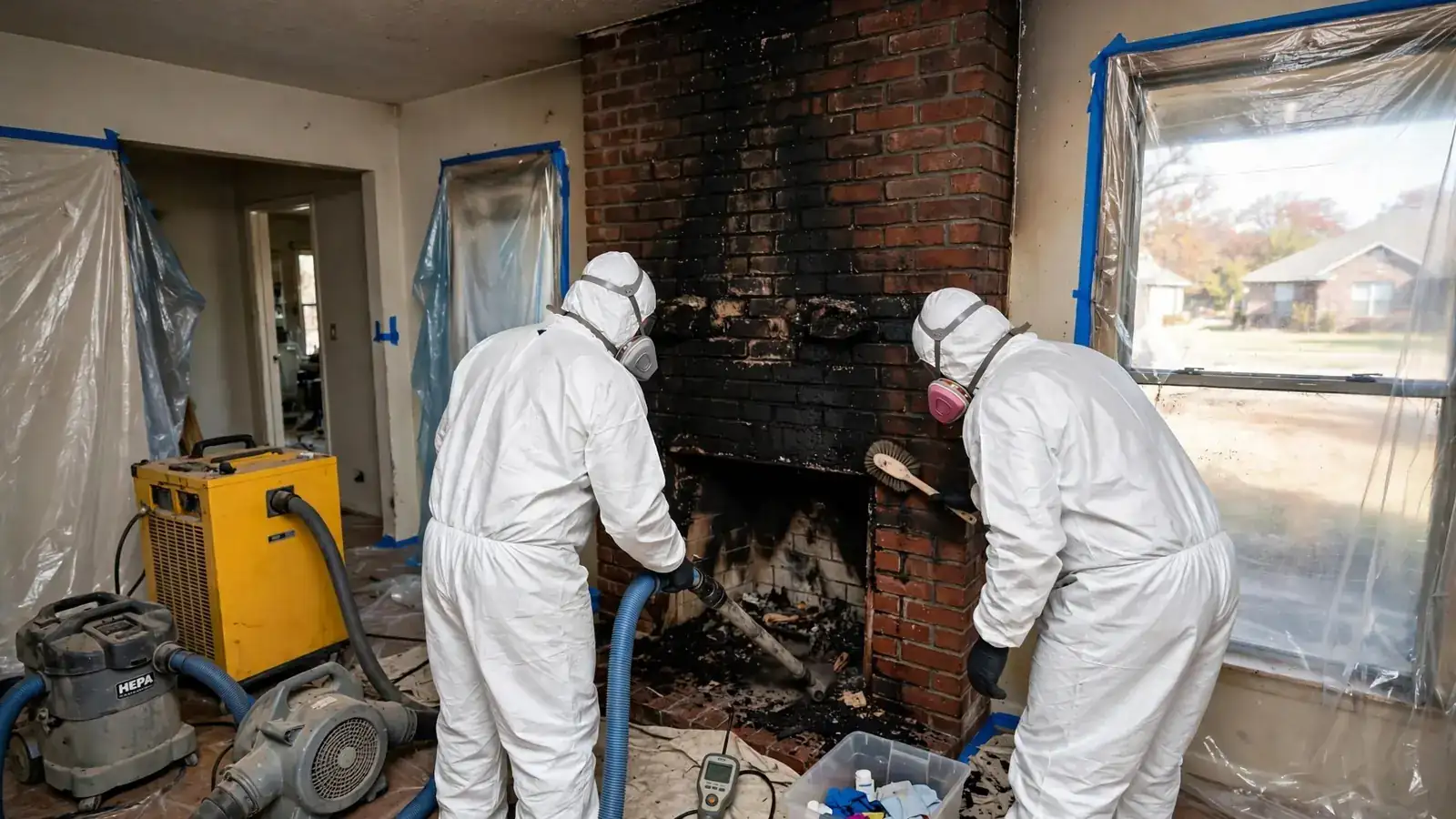
Most soot removal starts dry. Chemical sponges and HEPA vacuums lift loose particles from plaster, painted woodwork and wallpaper without water. Only after the loose soot is off does wet cleaning begin, and even then the solution is chosen for the surface and the type of residue, following S700 practice [2].
This matters more in an old house because plaster absorbs water and many original finishes are delicate. Soaking a sooty plaster ceiling can stain it permanently or loosen it from the lath. A careful sequence keeps both the surface and the soot under control.
Soot removal steps for a Fairmount home
This is the general order; the contractor adjusts it to what each room needs.
- 1
Wipe-test the soot on each surface
Wipe tests show whether the soot is dry, oily or protein based, which decides the cleaning method.
- 2
Lift loose soot dry
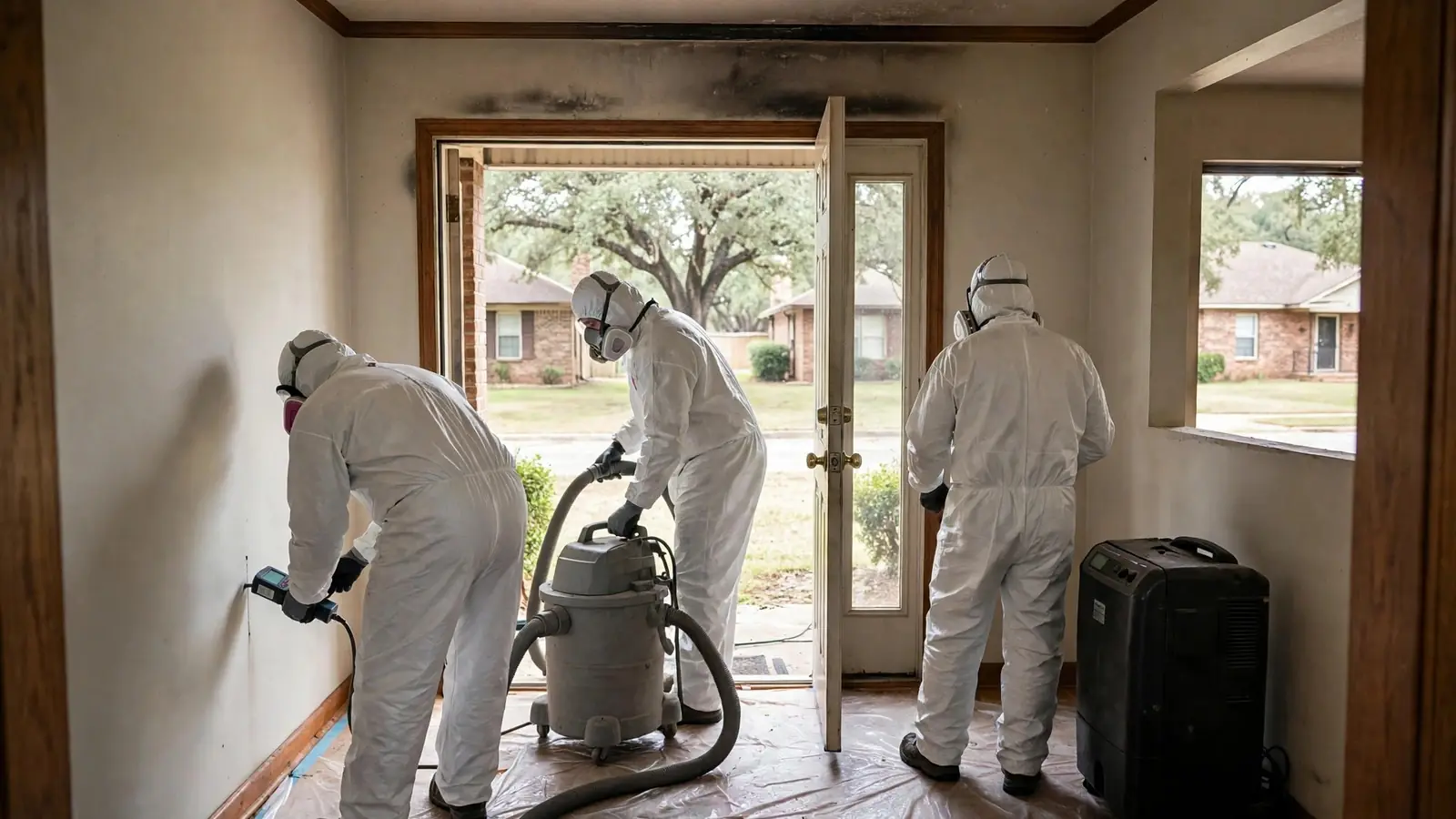
HEPA vacuuming and dry sponges remove the loose layer from ceilings and walls, top to bottom.
- 3
Wash with surface-specific products
Plaster, stained wood, painted trim and tile each get a suitable cleaner.
- 4
Seal and refinish where needed
Surfaces that still show staining or odor are sealed before paint or finish goes on.
Lead-safe soot cleanup in older Fairmount homes
Most Fairmount houses were built long before 1978, so older layers of paint may contain lead [3]. Scrubbing hard, scraping flaking paint or sanding sooty trim can release lead dust. Lead-safe practice uses containment, wet methods and HEPA vacuums, and keeps children and pets out of the work area.
Ask the contractor on your call whether paint will be disturbed and how they will handle it. Some older materials can also contain asbestos and should be tested before they are cut [4].
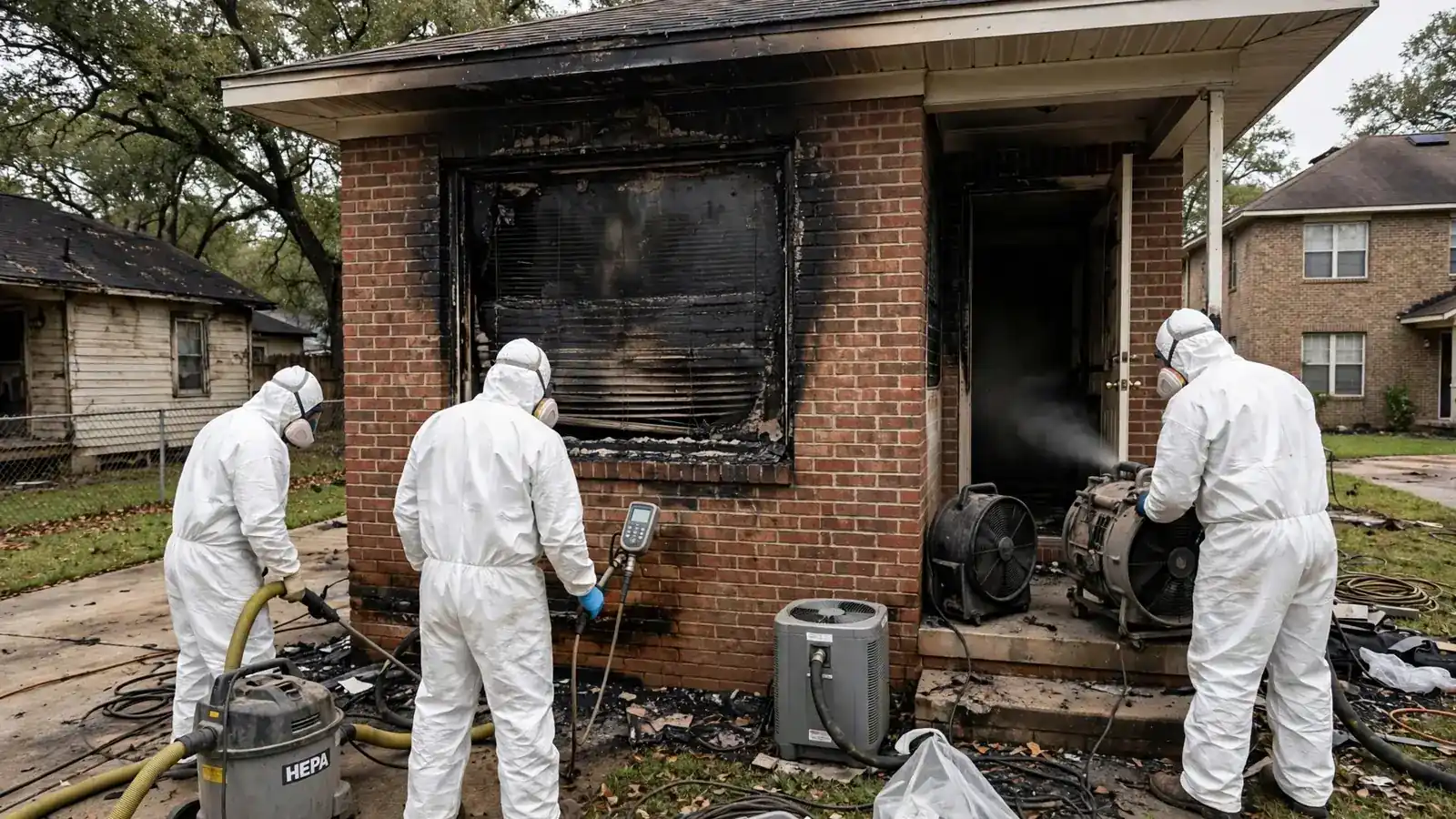
Fairmount surfaces and how soot is treated
Common surfaces in these houses and the usual approach for each.
- Plaster walls and ceilingsDry cleaning, then gentle washing, then sealing if staining remains.
- Beadboard and porch ceilingsCareful cleaning along every groove where soot collects.
- Heart pine and oak floorsCleaning, then a fresh finish coat or light refinishing.
- Brick fireplaces and chimneysPorous brick holds soot deeply and may need specialized cleaning.
When soot means replacement instead of cleaning
Not everything can be cleaned. Insulation soaked with soot (a common source of lingering smoke odor), badly charred trim and wallpaper that has absorbed oily residue usually come out. In a historic house, the contractor should explain why each item cannot be saved and keep pieces that can be matched or reused.
If you need to stay elsewhere during the work, keep receipts; the Texas Department of Insurance explains how additional living expense coverage generally works [5]. Photos taken before soot removal begins also help your adjuster see the extent of the damage.
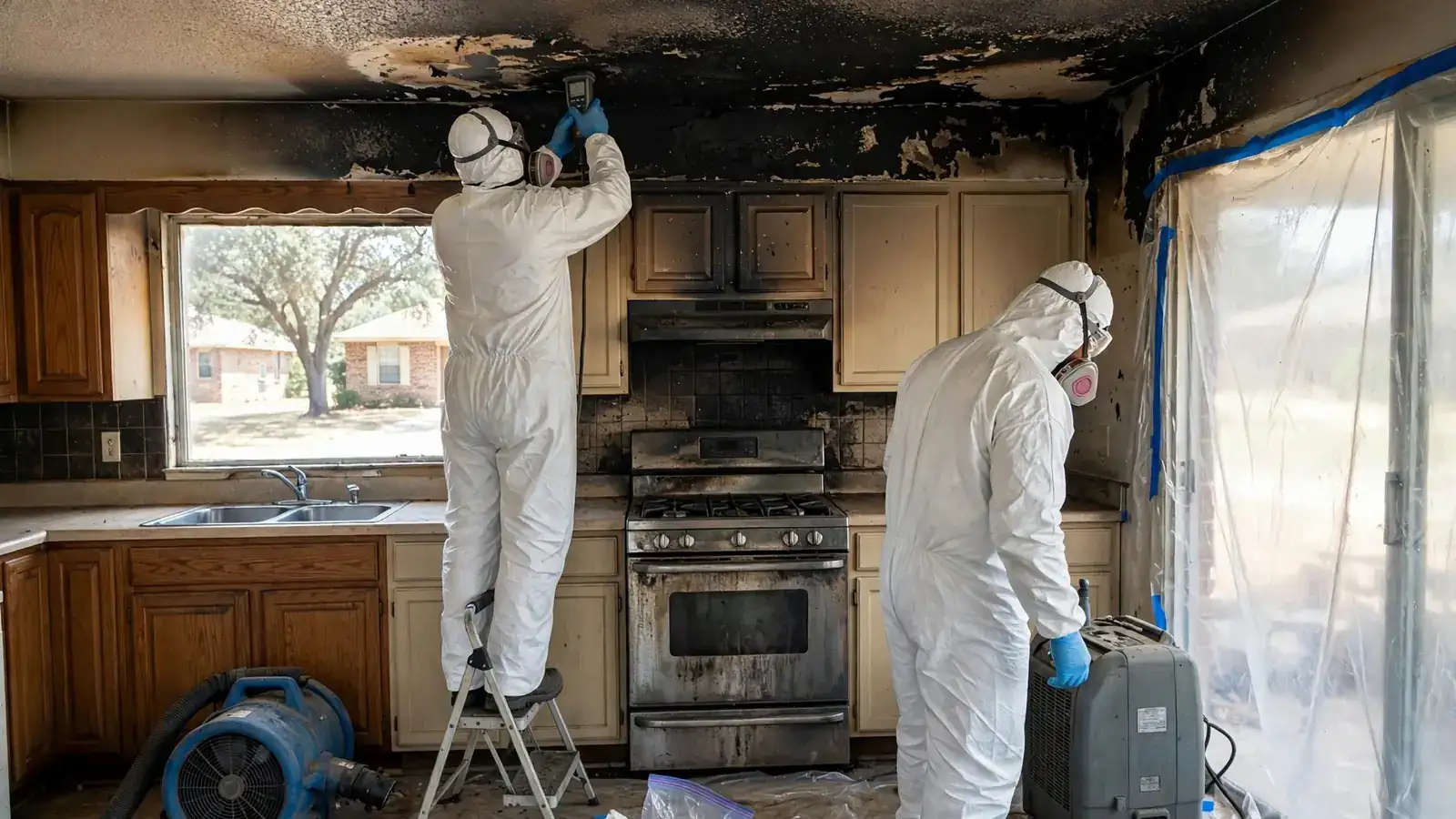
Soot on the outside of a Fairmount house
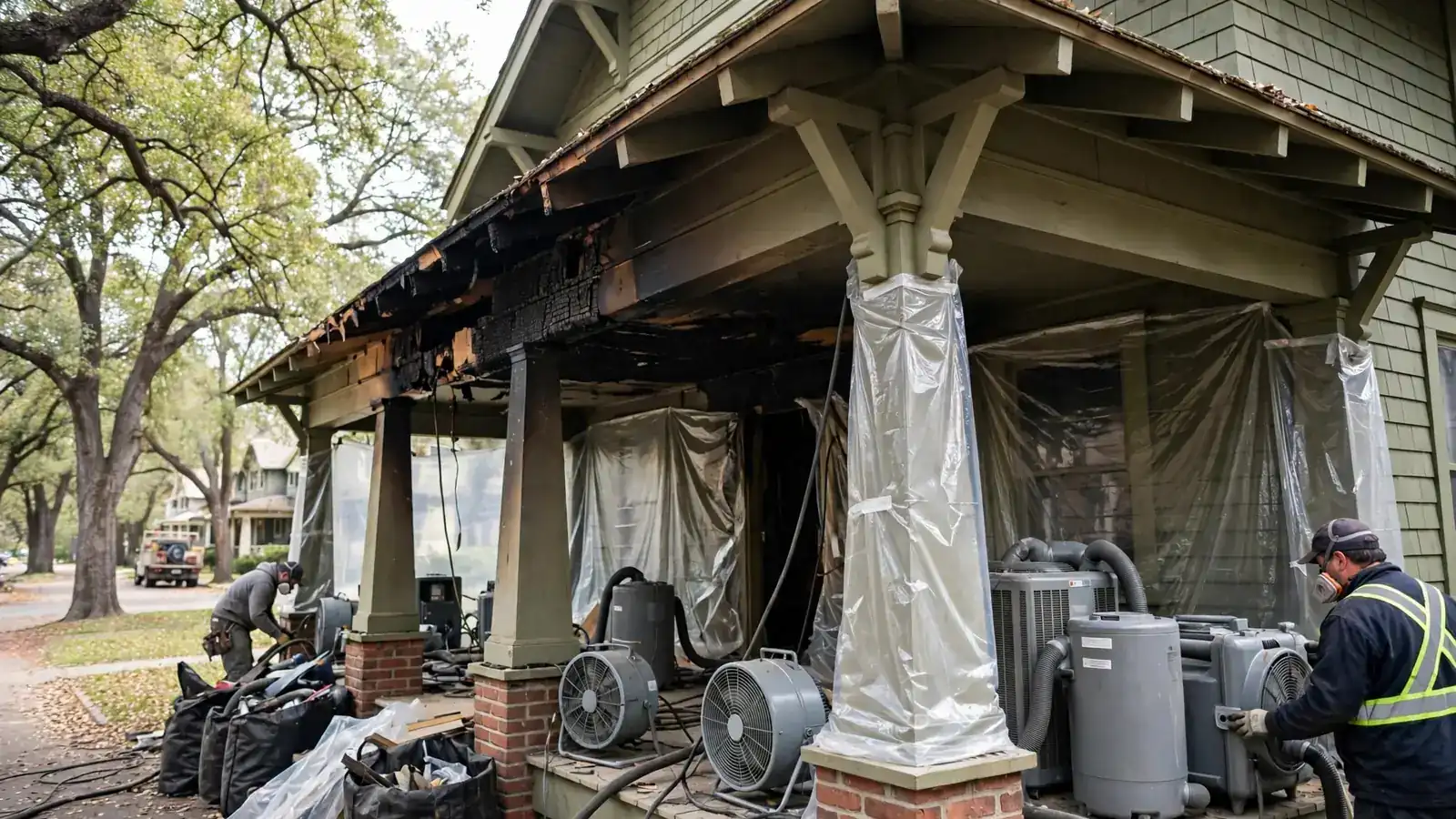
Soot does not stop at the walls. Porch ceilings, eaves, wood siding and window frames on the side of the house nearest the fire often carry a dark film. Beadboard porch ceilings collect it in every groove, and painted siding can show streaks once it rains. Exterior surfaces are usually cleaned with gentle methods, then repainted only where staining remains.
Because Fairmount is a local historic district, permanent exterior changes can need city review, so like-for-like repair keeps things simple. Ask the contractor on your call to note which exterior areas need cleaning and which need repair.
Brick foundations, chimneys and porch piers are also common in these houses. Brick is porous and holds soot deeper than painted wood, so it may need specialized cleaning. Testing a small hidden patch first shows whether the method will lift the soot without marking the brick face.
FAQ
Soot Removal in Fairmount: questions
Can I wipe soot off my walls myself?
It is better not to. Wiping pushes oily soot into plaster and paint and can make stains permanent. Dry removal with the right sponges and HEPA vacuums comes first.
What are the black strings hanging in the corners?
They are soot webs, chains of residue that form along air currents during a fire. They are not spider webs and should be vacuumed, not brushed.
Does soot removal disturb lead paint?
It can if older paint is scrubbed, scraped or sanded. Homes built before 1978 may have lead paint [3], so lead-safe methods should be used.