Service areas
Fire damage restoration near meFort Worth service areas and neighborhoods
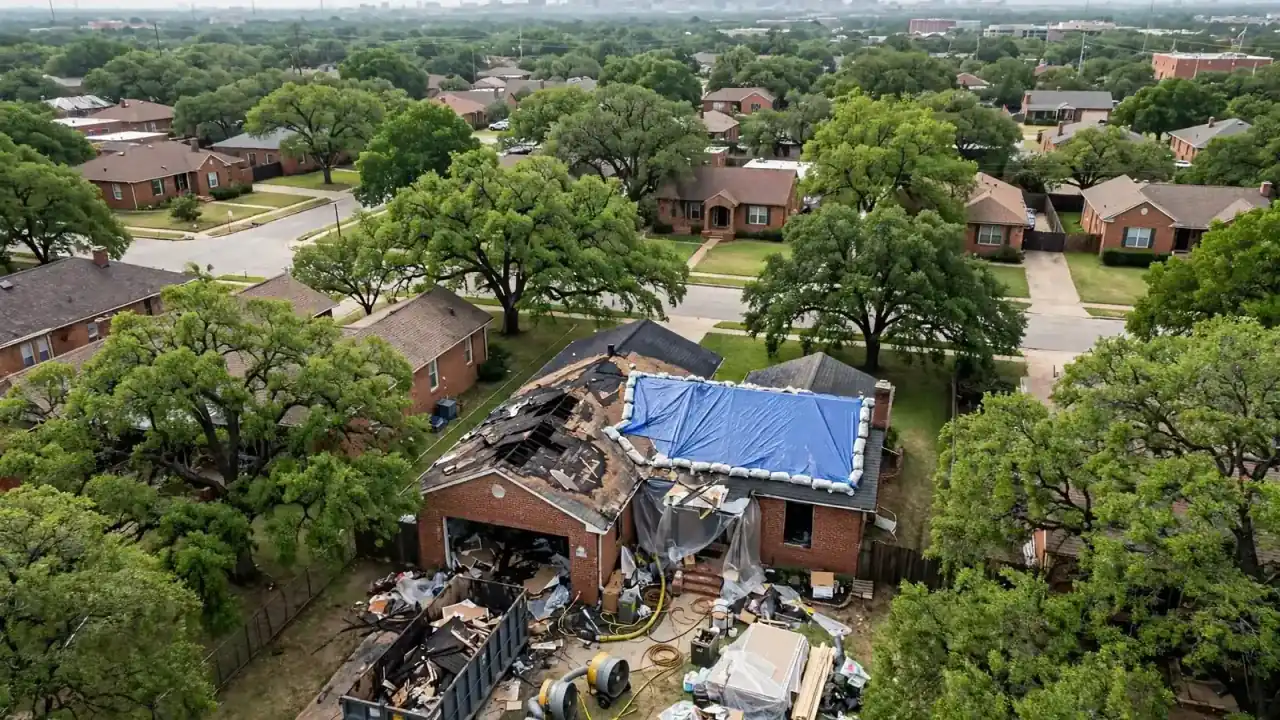
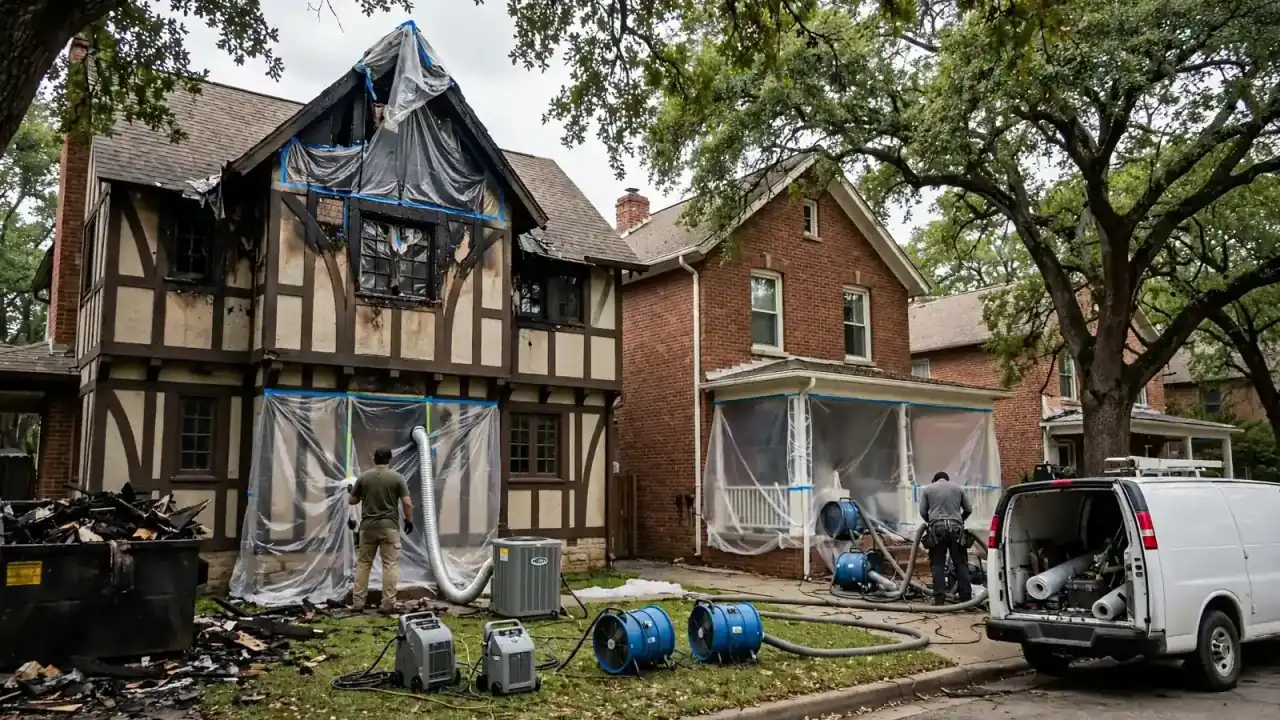
Fort Worth homes range from century-old bungalows to 1990s two-story houses, and each type handles fire, smoke and water differently. These pages explain what is distinct about restoring homes in each covered neighborhood.
All service areas
 Service area
Arlington Heights
West side homes that grew after Camp Bowie: 1920s and 1930s bungalows and period revivals with plaster, wood and detached garages.
Learn more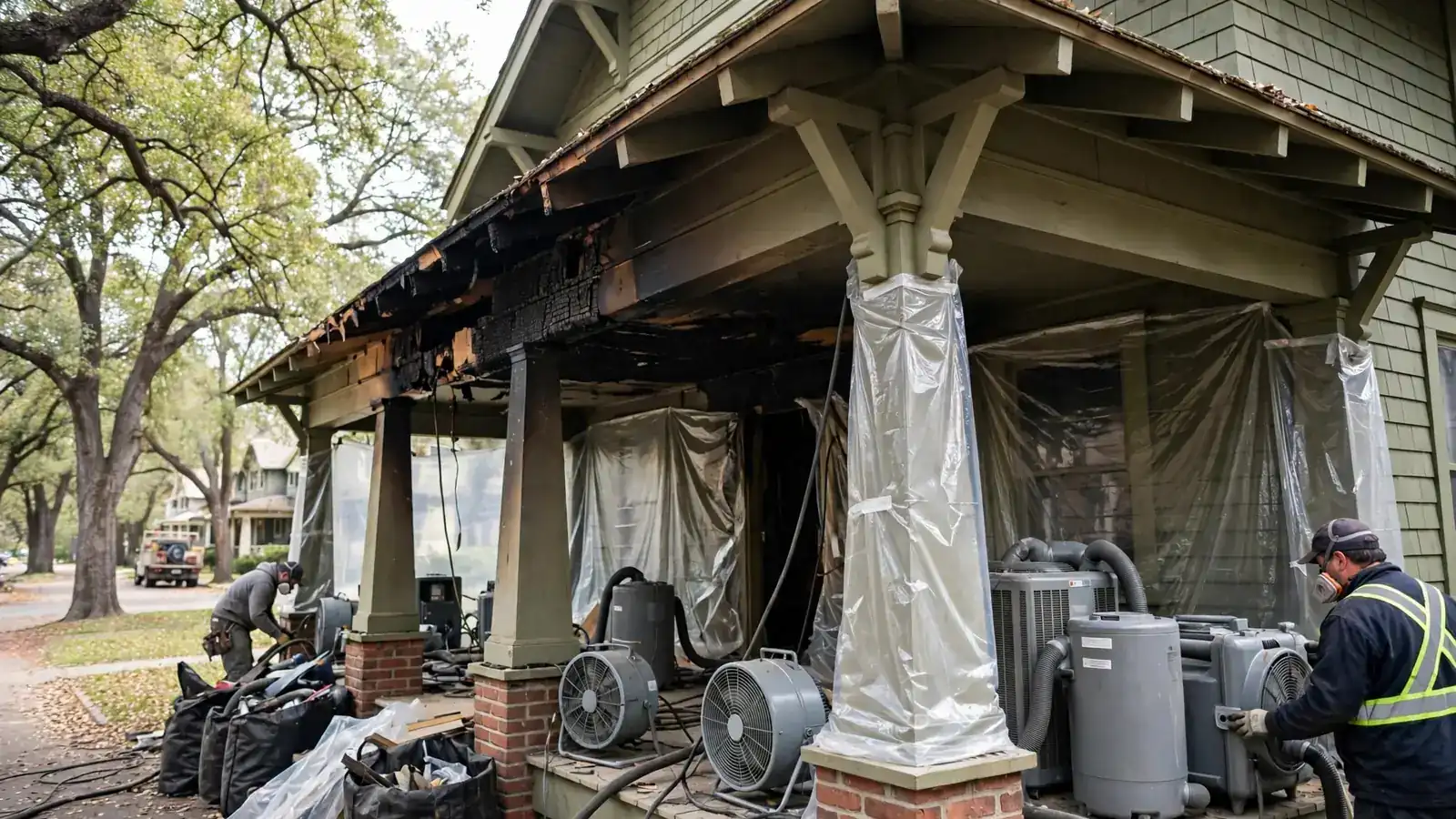 Service area
Fairmount
Historic Near Southside homes from 1890 to the late 1930s: balloon framing, pier-and-beam floors, plaster and original wood.
Learn more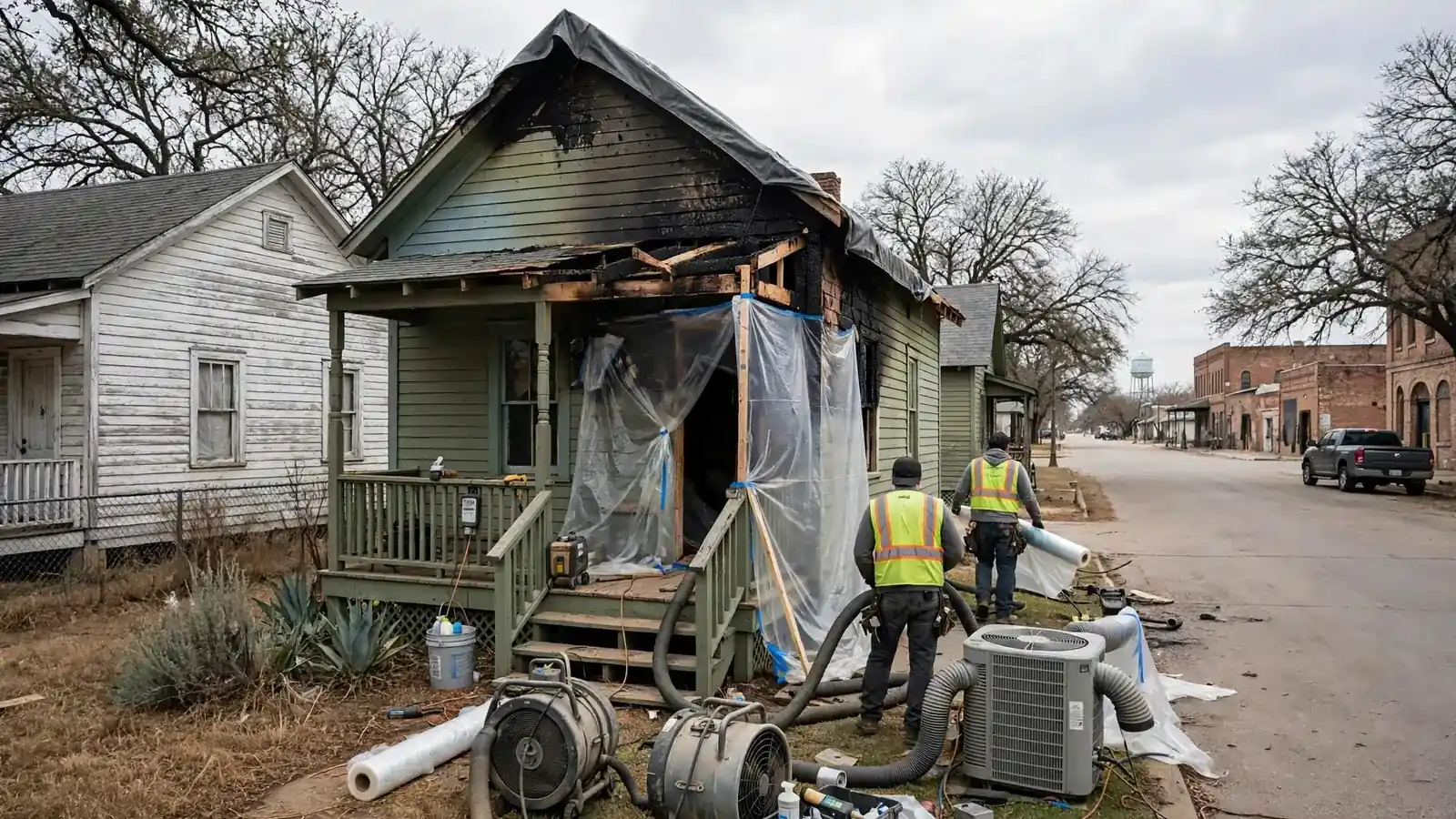 Service area
Northside
Older frame cottages near the historic Stockyards: wood siding, close-set houses, pier foundations and long-lived wiring.
Learn more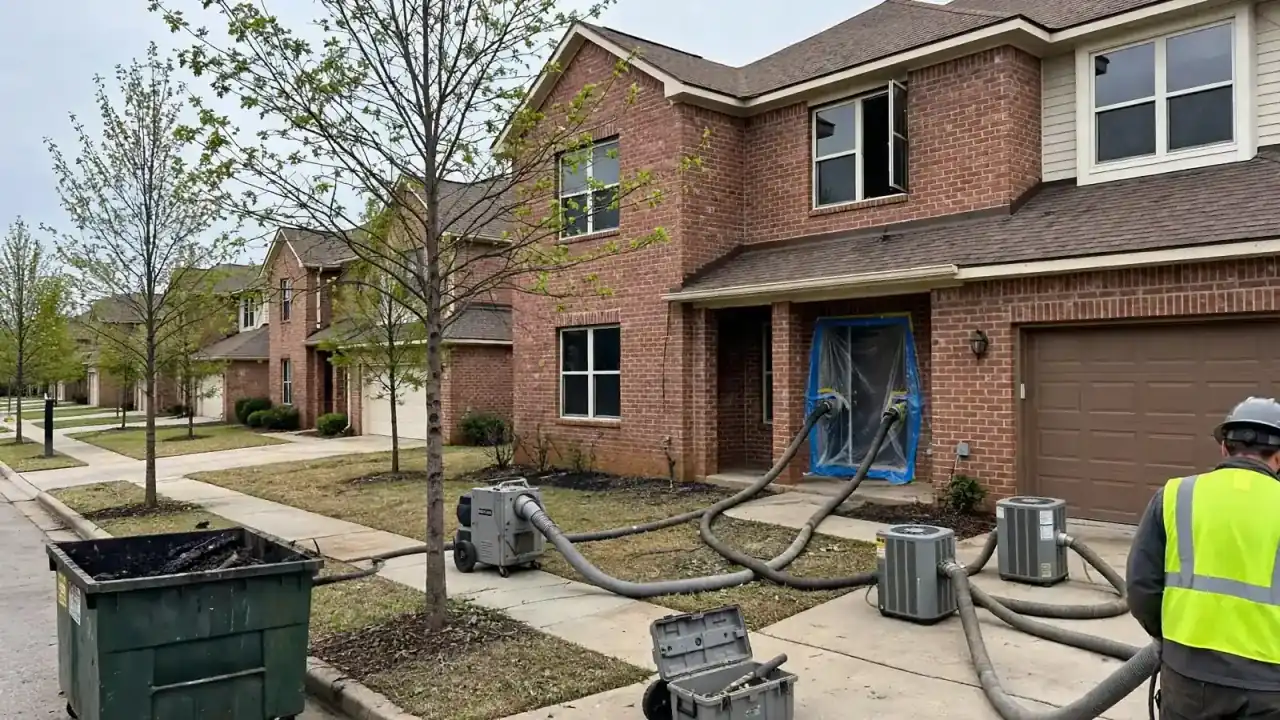 Service area
Park Glen
Late-1980s and 1990s north Fort Worth subdivision: two-story homes, vaulted rooms, attic HVAC zones and front-entry garages.
Learn more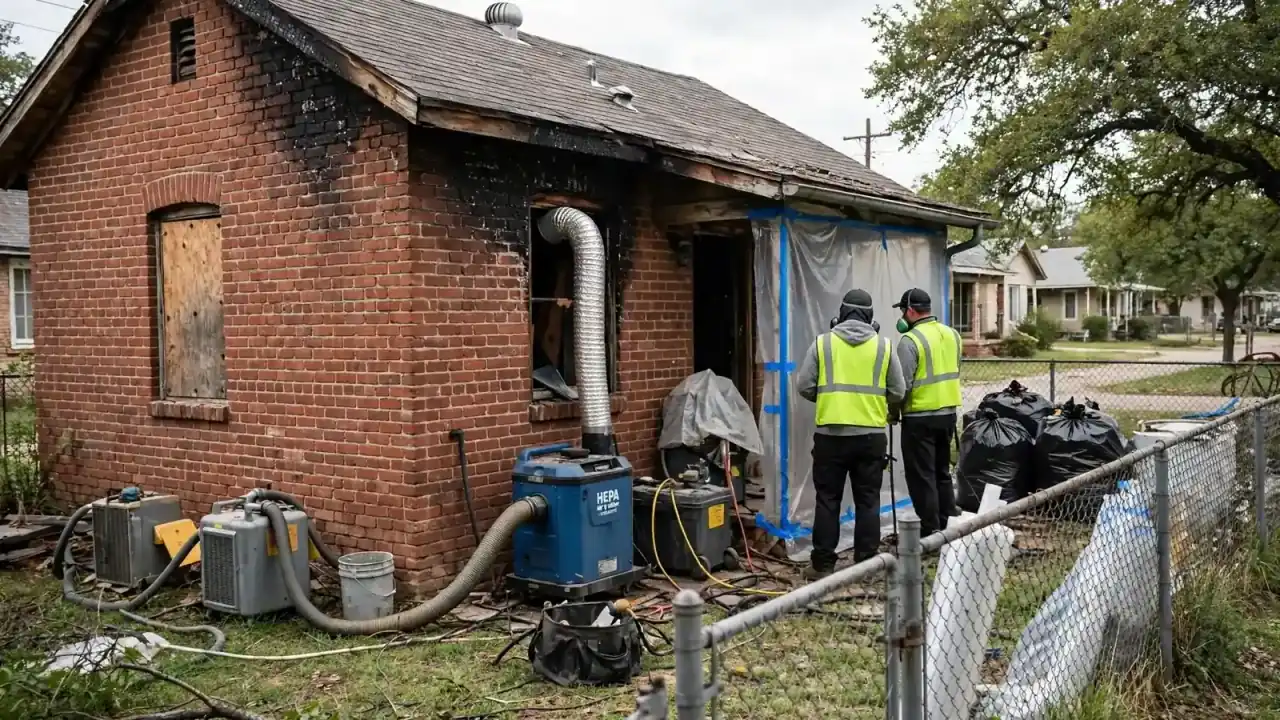 Service area
Ridglea
West side brick cottages and ranches from the 1940s and 1950s: compact rooms, older panels, small attics and alley garages.
Learn more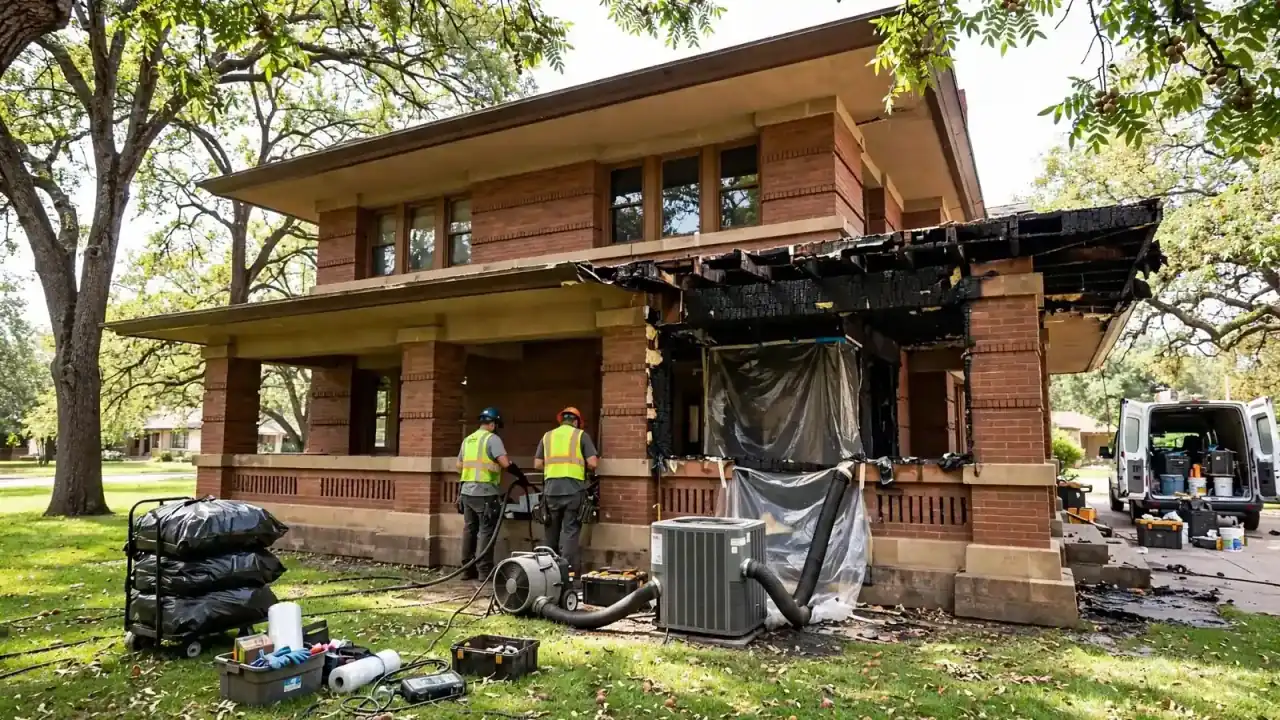 Service area
Ryan Place
Large homes from 1911 onward plus postwar infill south of downtown: multi-story layouts, big attics and mixed-era materials.
Learn more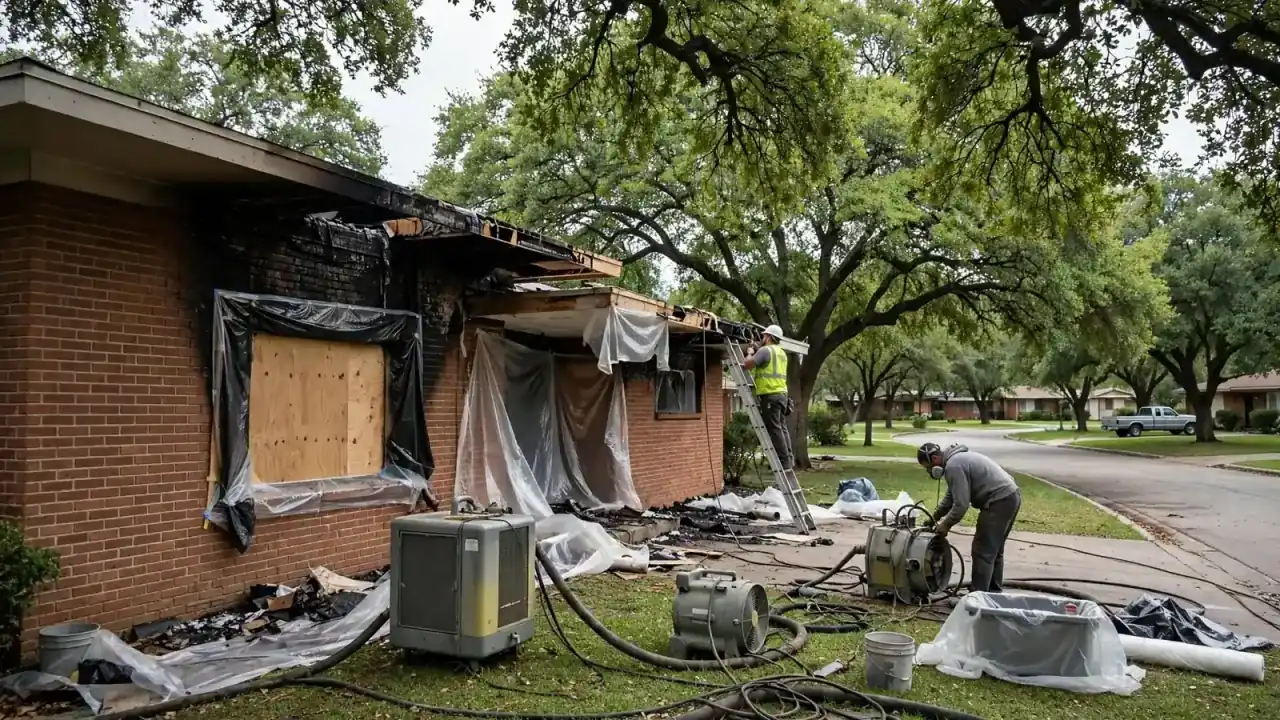 Service area
Tanglewood
Mid-century brick and stone ranch homes west of TCU along the Trinity: long rooflines, attached garages and attic ductwork.
Learn more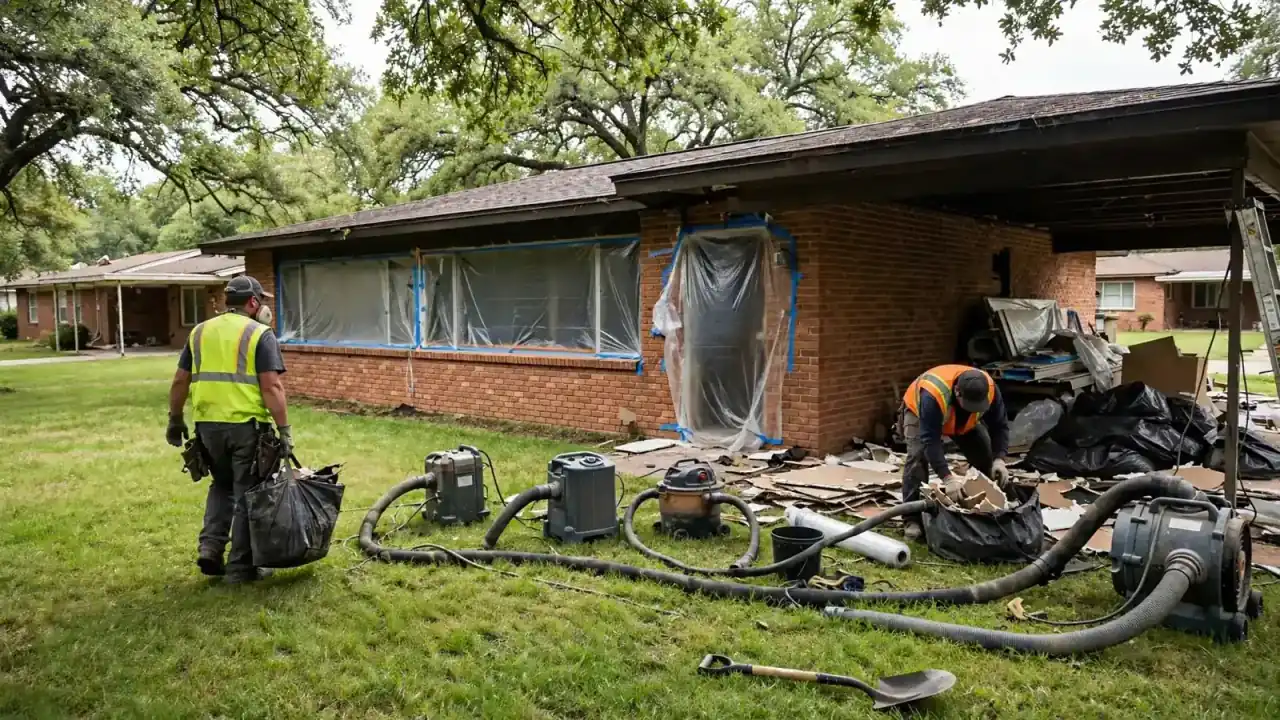 Service area
Wedgwood
Southwest Fort Worth brick ranches with attached garages on slabs: textured ceilings, attic ducts and long hallways.
Learn more
Coverage
Where this service takes calls
Calls are accepted from 32 Fort Worth ZIP codes in the Lead Smart fire damage coverage area, checked on October 31, 2026. They include the Near Southside, the west side, the TCU area, the Northside and Stockyards, southwest Fort Worth and the far north. If your ZIP is not covered, the contractor will tell you on the call.
The neighborhood pages below cover housing age, construction, common problems after fires, permits and practical planning for each area.
Every neighborhood page is written from public records, the City of Fort Worth's historic preservation information and general building knowledge for homes of that age. If your neighborhood is not listed but your ZIP code is covered, the general guidance on our fire restoration services pages applies, and the contractor you speak with can explain anything particular to your street. Pick the area closest to your home to read what matters there.
Neighborhood guides
- Service area
Arlington Heights
West side homes that grew after Camp Bowie: 1920s and 1930s bungalows and period revivals with plaster, wood and detached garages.
Learn more - Service area
Fairmount
Historic Near Southside homes from 1890 to the late 1930s: balloon framing, pier-and-beam floors, plaster and original wood.
Learn more - Service area
Northside
Older frame cottages near the historic Stockyards: wood siding, close-set houses, pier foundations and long-lived wiring.
Learn more - Service area
Park Glen
Late-1980s and 1990s north Fort Worth subdivision: two-story homes, vaulted rooms, attic HVAC zones and front-entry garages.
Learn more - Service area
Ridglea
West side brick cottages and ranches from the 1940s and 1950s: compact rooms, older panels, small attics and alley garages.
Learn more - Service area
Ryan Place
Large homes from 1911 onward plus postwar infill south of downtown: multi-story layouts, big attics and mixed-era materials.
Learn more - Service area
Tanglewood
Mid-century brick and stone ranch homes west of TCU along the Trinity: long rooflines, attached garages and attic ductwork.
Learn more - Service area
Wedgwood
Southwest Fort Worth brick ranches with attached garages on slabs: textured ceilings, attic ducts and long hallways.
Learn more
ZIP codes
Covered Fort Worth ZIP codes
- 76102, 76103, 76104, 76105, 76106, 76107, 76108, 76109, 76110, 76111, 76112
- 76114, 76115, 76116, 76118, 76119, 76120, 76123, 76126, 76129, 76131, 76132
- 76133, 76134, 76135, 76137, 76140, 76148, 76155, 76164, 76177, 76179
Call from anywhere in the coverage area
Questions about service areas? Call and talk it through with an independent local restoration contractor on that same call.