Key facts: Is it safe to stay after a fire
- Stay out until the fire department says the home is safe to enter; fire can weaken roofs and floors [1].
- Soot and dirty water left after a fire can contain substances that make people sick [1].
- Mold can begin in wet materials within 24 to 48 hours if they are not dried [2].
- Gas and electric service should not be restored until a qualified professional has inspected for damage [1].
Short answer
The short answer
Only stay if the fire department has cleared the house, the power and gas have been checked by professionals, smoke and soot did not spread through the part of the house you would use, there is no significant water damage there, and no one in the household is especially sensitive to air quality. If any of those is in doubt, staying elsewhere for at least the first days is the safer choice.
Many families stay elsewhere for the first part of the restoration and move back into part of the house once the damaged area is sealed off and the air system is cleaned.
Checklist
Safety factors at a glance
| Factor | Safe sign | Warning sign |
|---|---|---|
| Structure | Fire department cleared; no sagging or cracking | Sagging ceilings, soft floors, roof openings |
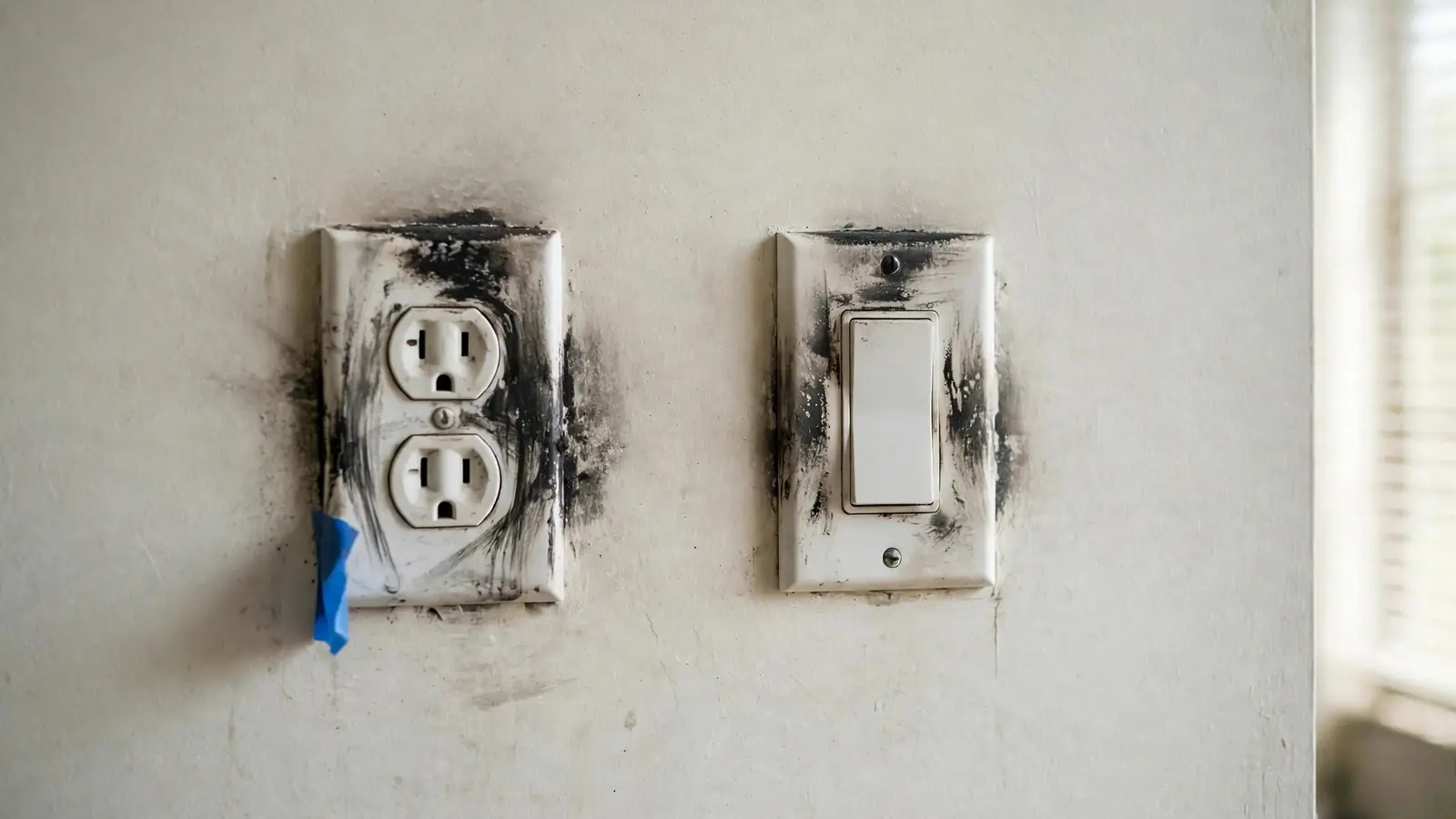
| Electricity | Inspected by an electrician; no damaged circuits | Scorched outlets, tripped breakers, burning smell |
| Gas | Checked by a qualified professional | Gas odor; appliances near the fire |
| Air | No visible soot or strong odor in living area | Grey film, strong smoke smell, HVAC carried smoke |
| Water | Living area dry | Wet carpet, damp walls, musty smell |
| Household | Healthy adults | Infants, older adults, asthma, pregnancy |
Check first
Quick checks before deciding
- Ask the fire departmentThey will tell you whether the house can be entered at all, and sometimes which areas to avoid.
- Look upSagging, stained or bulging ceilings may be holding water and can fall.
- Smell the living areaA strong smoke smell where you would sleep means residue is there.
- Check the air systemIf the AC or heat ran during or after the fire, assume it spread smoke until it is inspected.
- Feel the floorsWet carpet or soft spots mean water damage that needs drying.
Structure
Structural damage you might not see
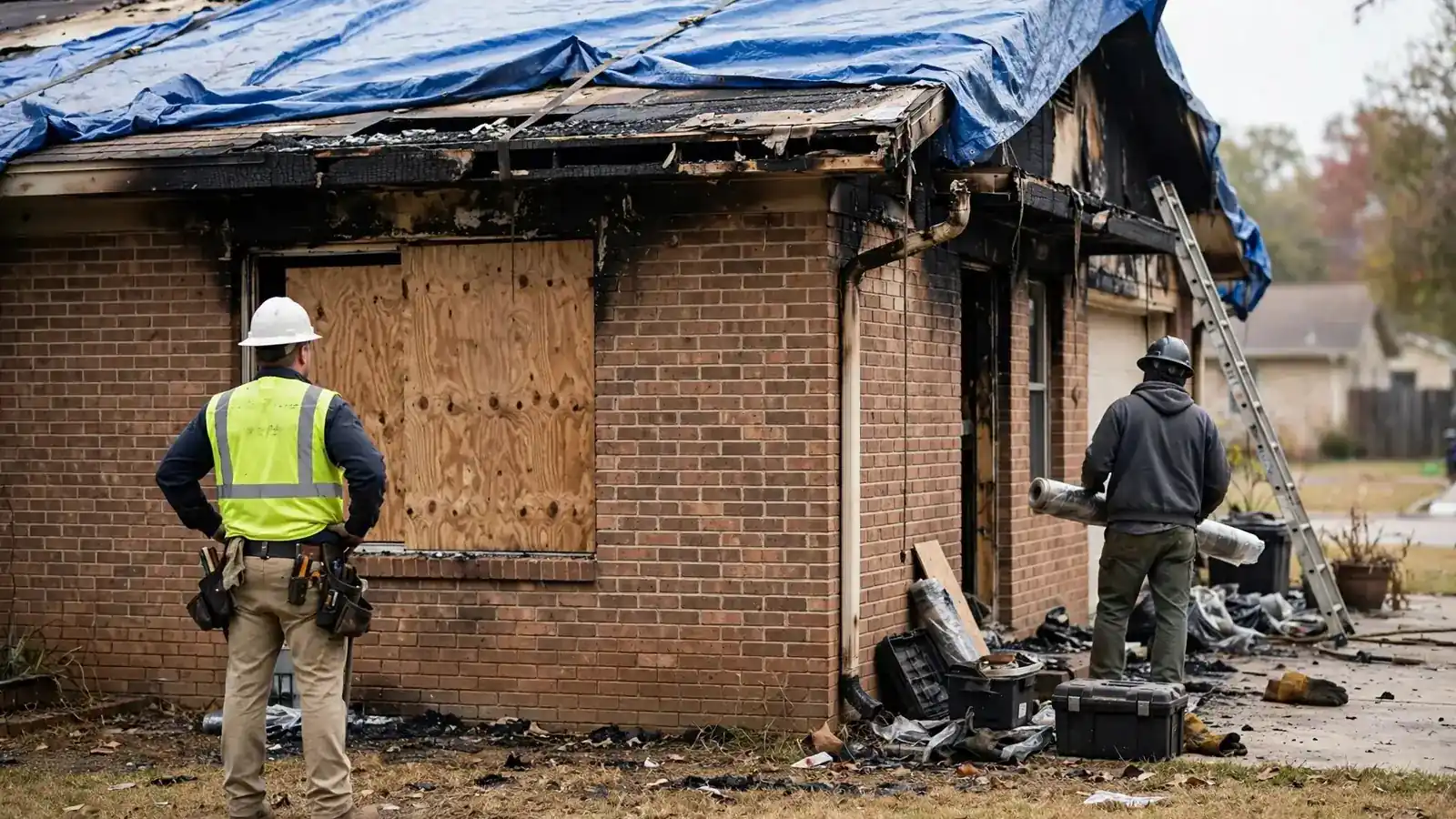
Fire can char floor joists, roof rafters and wall studs from the inside, leaving surfaces that look intact. Firefighting water adds weight to ceilings and soaks subfloors. The U.S. Fire Administration warns that roofs and floors may be damaged and unsafe [1].
If the fire was more than a small, contained event, have a contractor inspect the structure before anyone sleeps in the house. Pay particular attention to rooms above or below the fire.
Utilities
Power, gas and water
Utilities are often shut off by the fire department or utility company. Do not turn them back on yourself. Heat can damage wiring inside walls and attics without visible signs, and gas lines and appliances near a fire need inspection. An electrician and a qualified gas professional should clear them first.
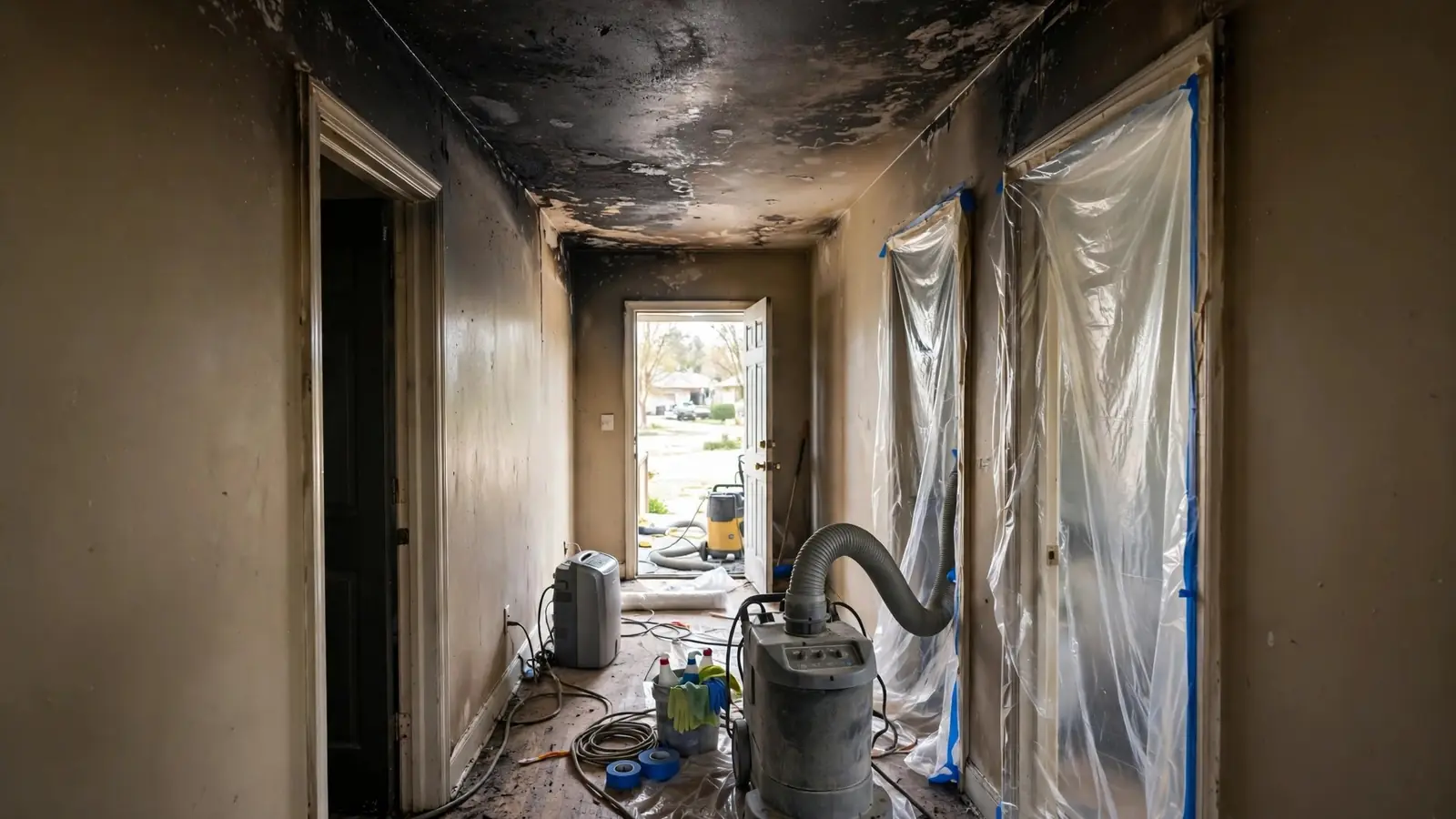
Even when utilities are restored, the air conditioning or heating system should not run until it has been inspected and, if needed, cleaned. Running it can spread residue through the house. In Fort Worth summers, that can make the house uncomfortably hot, which is one reason many families stay elsewhere in the first days.
Air quality
Smoke residue and the air you breathe
Soot and smoke residue are made of fine particles and chemical compounds. The U.S. Fire Administration notes that soot and dirty water left after a fire can contain substances that can make people sick [1]. In a house where smoke spread, these particles are on surfaces and get stirred into the air as people move around.
Healthy adults may tolerate light, short exposure, but infants, young children, older adults, pregnant women and anyone with asthma or heart or lung conditions are more sensitive. If any of them live in the house, staying elsewhere until cleaning is finished is the safer choice.
Water and mold
Wet materials and mold risk
Water used to put out the fire soaks carpet, drywall, insulation and subfloors. The EPA advises drying wet materials within 24 to 48 hours to prevent mold growth [2]. Living in a damp, warm house slows drying and can create conditions for mold. If the living area is wet, it is usually better to let drying equipment run and stay elsewhere.
Drying equipment is also loud and runs around the clock, which makes sleeping in the same space difficult.
If you stay
Making partial occupancy work
- 1
Get clearances
Fire department release, plus electrical and gas checks for the part of the house you will use.
- 2
Seal off the work area
The contractor separates damaged rooms with plastic and sets air filtration so air flows from clean to dirty areas.
- 3
Keep the air system off or isolated
Until ducts are cleaned, the system should not circulate air from damaged areas.
- 4
Limit traffic
Use one entrance away from the work area, and keep children and pets out of the damaged zone.
- 5
Reassess as work proceeds
Demolition and cleaning stir up dust; you may need to leave during certain phases.
On the call
What to tell the contractor when deciding
- Who lives in the house, including infants, older relatives and anyone with breathing problems
- Which rooms you would want to use
- Whether utilities are on and have been checked
- Whether the AC or heat ran after the fire
- Whether any rooms are wet
FAQ
Staying home after a fire: common questions
Can I sleep in my house the night of the fire?
Usually not. Most homes are not cleared for occupancy that night, and utilities are often off. Stay with family, friends or in emergency shelter, and ask the Red Cross for help if needed.
Is it safe to stay if the fire was only in the kitchen?
Sometimes, if smoke did not spread, utilities are checked and the area is sealed off. In small homes, smoke usually spreads everywhere, so staying elsewhere until cleaning is done is often wiser.
Is smoke residue dangerous for children?
Children, infants and people with asthma are more sensitive to smoke particles. If smoke spread through the house, staying elsewhere until it is cleaned is the safer choice.
Can I run the air conditioning after a fire?
Not until it has been inspected and cleaned if needed. Running it can spread soot and odor through the whole house.
How long until we can move back in?
It depends on the extent of damage. Small, contained fires may take days of cleaning; larger fires need drying, demolition and rebuilding. The contractor can estimate after inspecting.
Can I talk to someone about whether my home is safe?
Call to speak with an independent local restoration contractor on that same call. The fire department and licensed electricians and gas professionals make the formal safety calls.