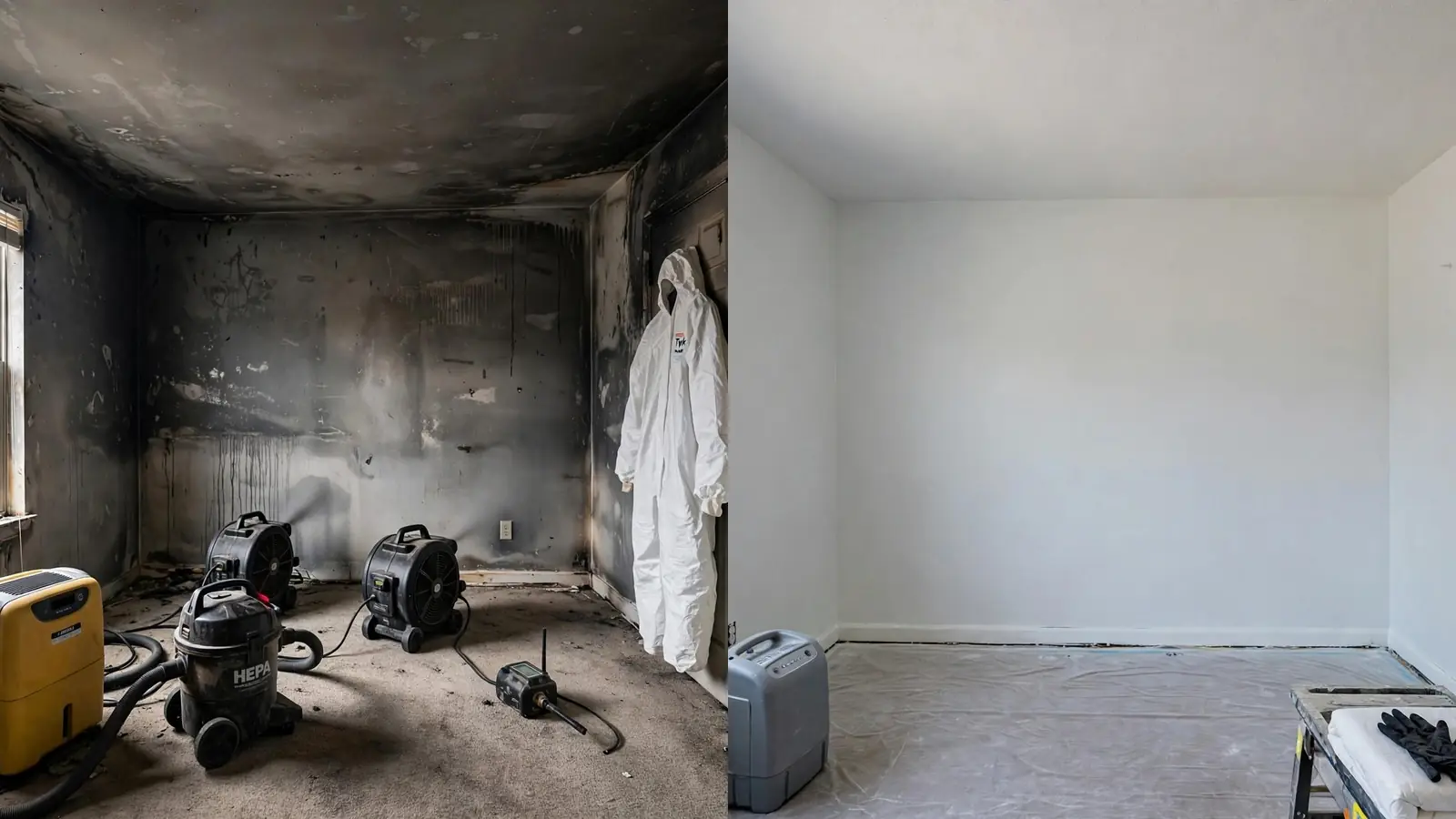
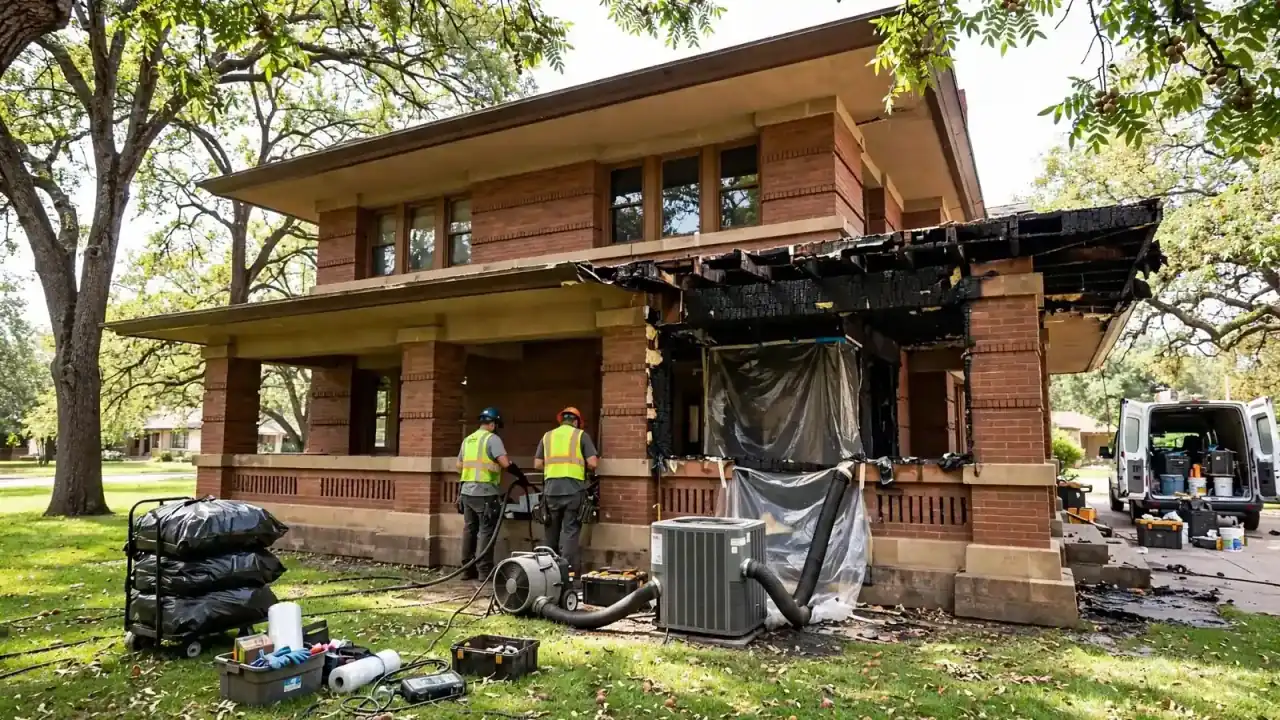
Key facts: Smoke Odor Removal in Ryan Place
- Smoke odor comes from fine particles that cling to walls, furnishings and fabric, according to the U.S. Fire Administration [1].
- In multi-story houses, smoke rises through stairwells and floor cavities, so upper floors often carry more residue than the room of origin [6].
- The EPA cautions against using ozone generators at high levels where people are present [3].
Why the upper floors smell worst
Large houses in Ryan Place often have a central staircase that acts like a chimney during a fire. Hot smoke rises up it, spreads along the upstairs hall and pours into bedrooms. A fire in a ground-floor kitchen can leave the third-floor rooms and attic with the heaviest odor in the house.
That pattern also means the upstairs needs as much attention as the room where the fire started. Cleaning only the downstairs leaves the strongest sources of smell untouched.
Paneling, built-ins and wood that holds odor
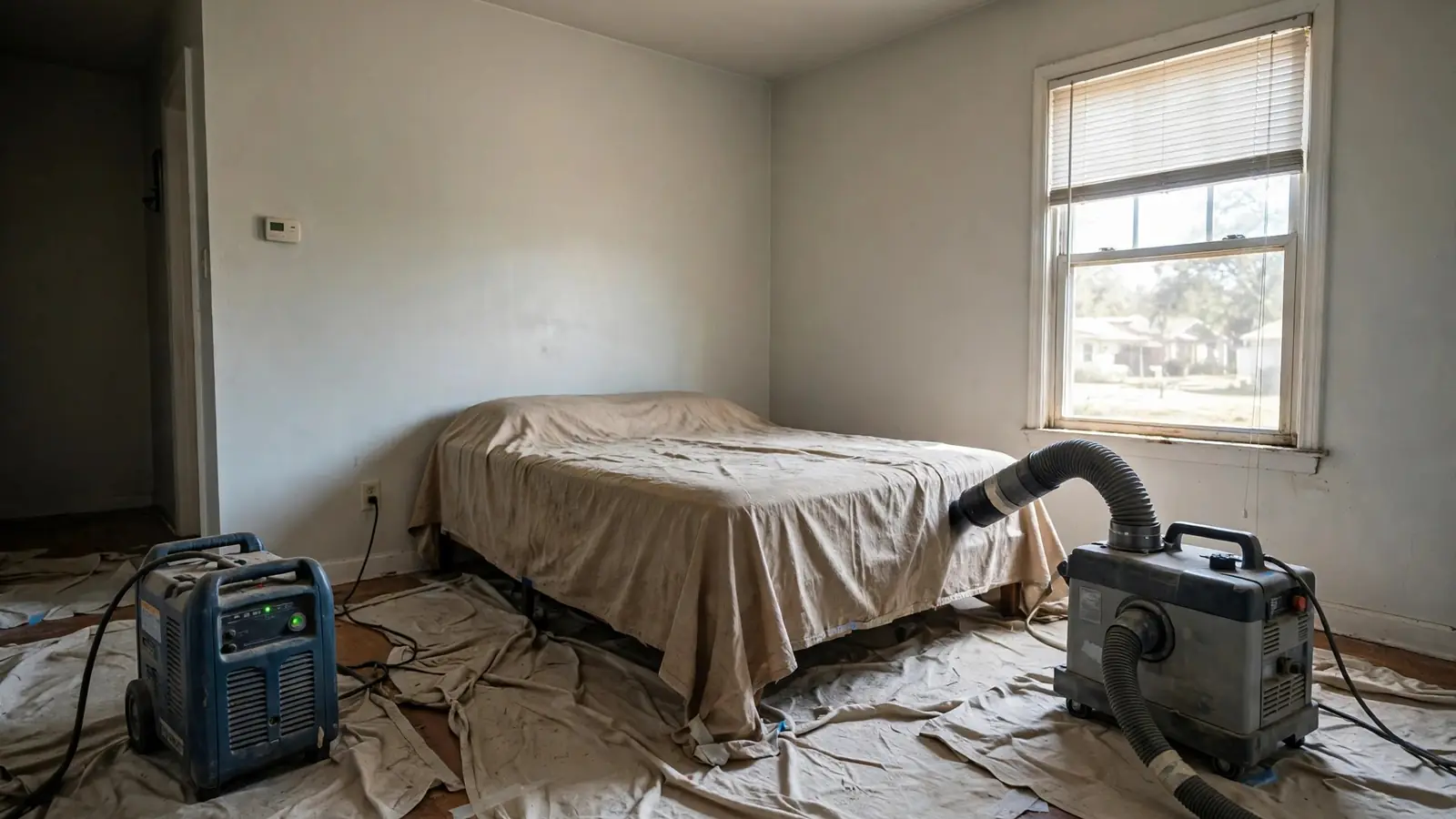
Paneled libraries, built-in bookcases, wood staircases and beamed ceilings appear in many of the bigger homes here. Wood finishes absorb smoke odor, particularly where the finish has worn thin. Careful cleaning with products safe for the finish, followed by a fresh coat where needed, removes most of it.
Unfinished wood inside cabinets and closets can hold odor deeply and may need sealing. Ask the contractor to open and check every built-in, not just the surfaces you see.
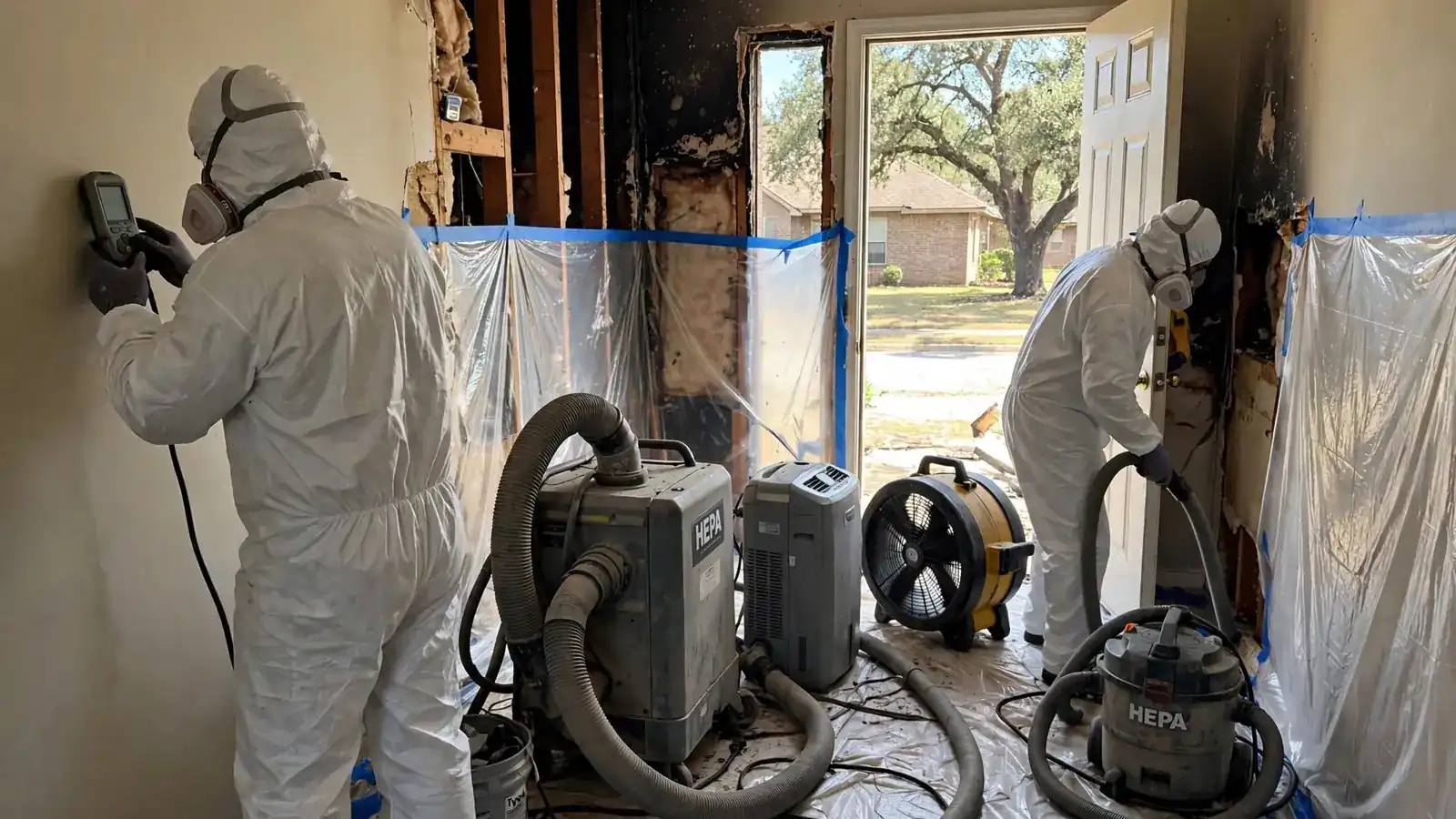
How odor is removed from a multi-story Ryan Place house
Working from the top down keeps residue from settling back on finished areas.
- 1
Start in the attic and top floor
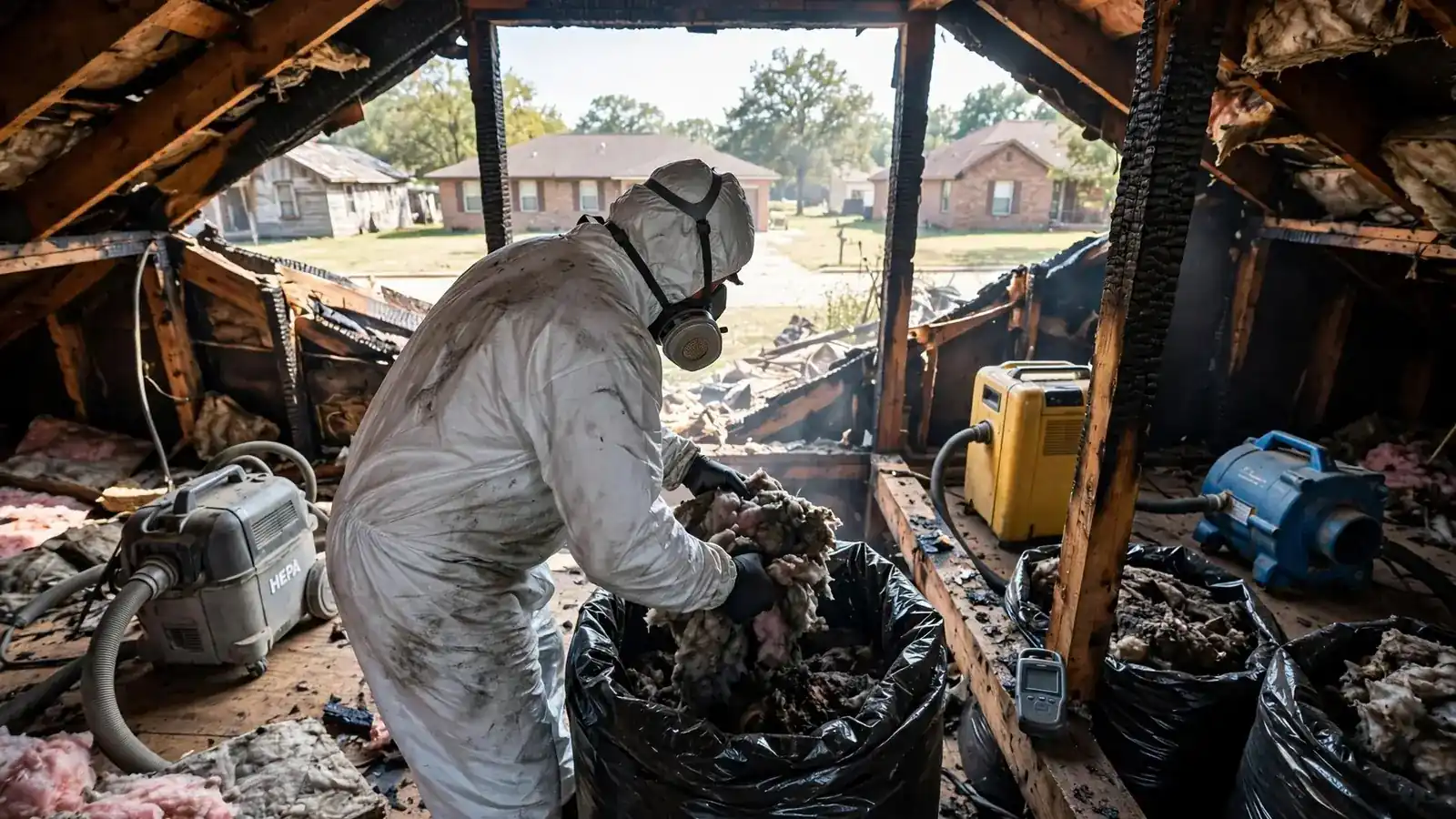
Remove affected insulation and clean the highest areas first.
- 2
Clean stairwells and upstairs rooms
Walls, ceilings, trim and the staircase itself are cleaned.
- 3
Work down to the room of origin
The most damaged area is cleaned once the rest is done.
- 4
Deodorize and seal throughout
Treatments reach cavities; sealers lock in what remains.
Big attics and summer heat
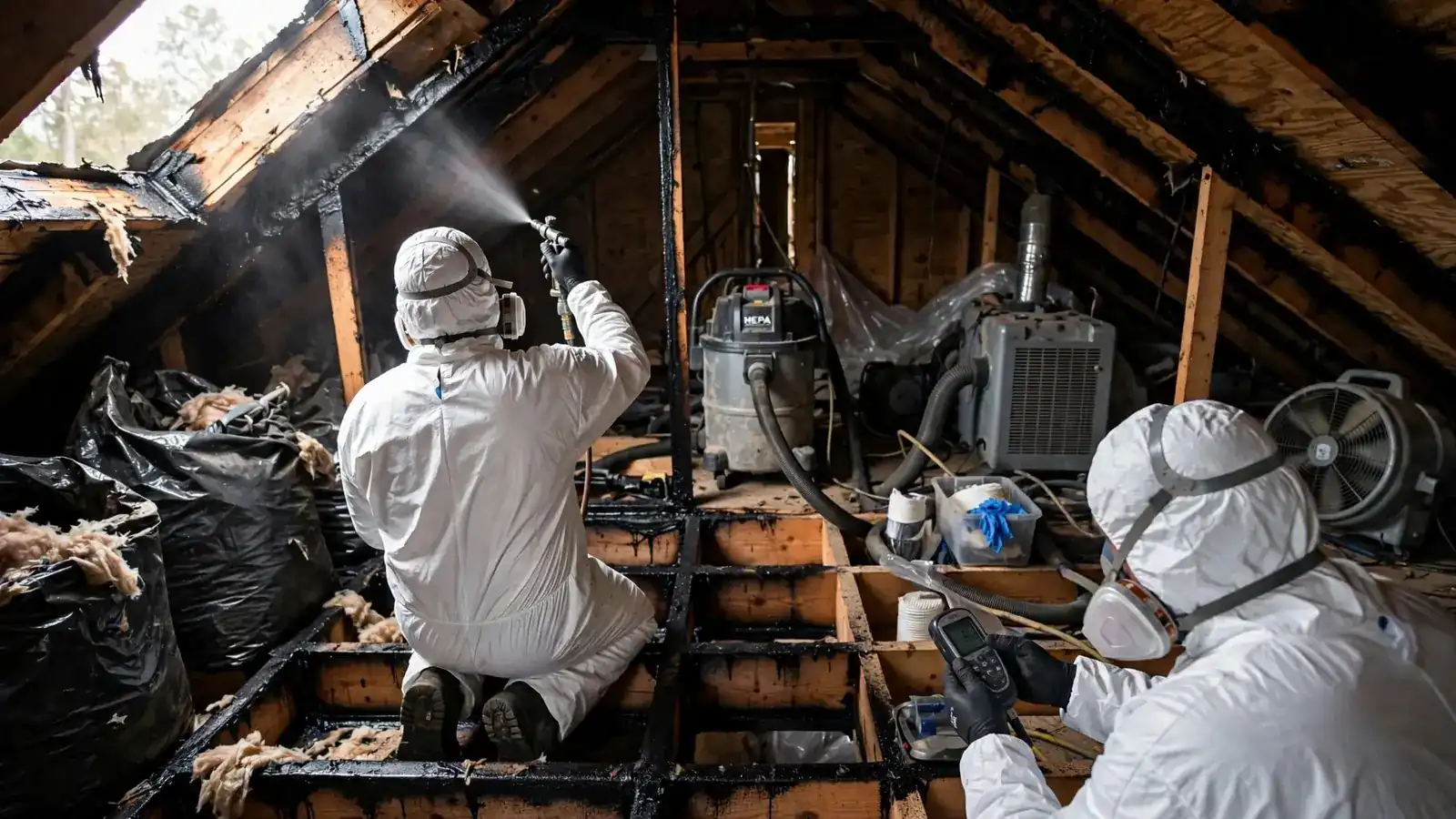
Ryan Place attics can be tall and spacious, sometimes partly finished. Smoke collects at the top of the house and soaks into insulation, framing and any stored belongings. On hot summer days, heat drives that odor back down into the bedrooms below.
Removing smoke-affected insulation and stored items, cleaning or sealing the framing, and then reinsulating is often the step that finally stops odor from coming back in summer.
Basements and deep crawl spaces
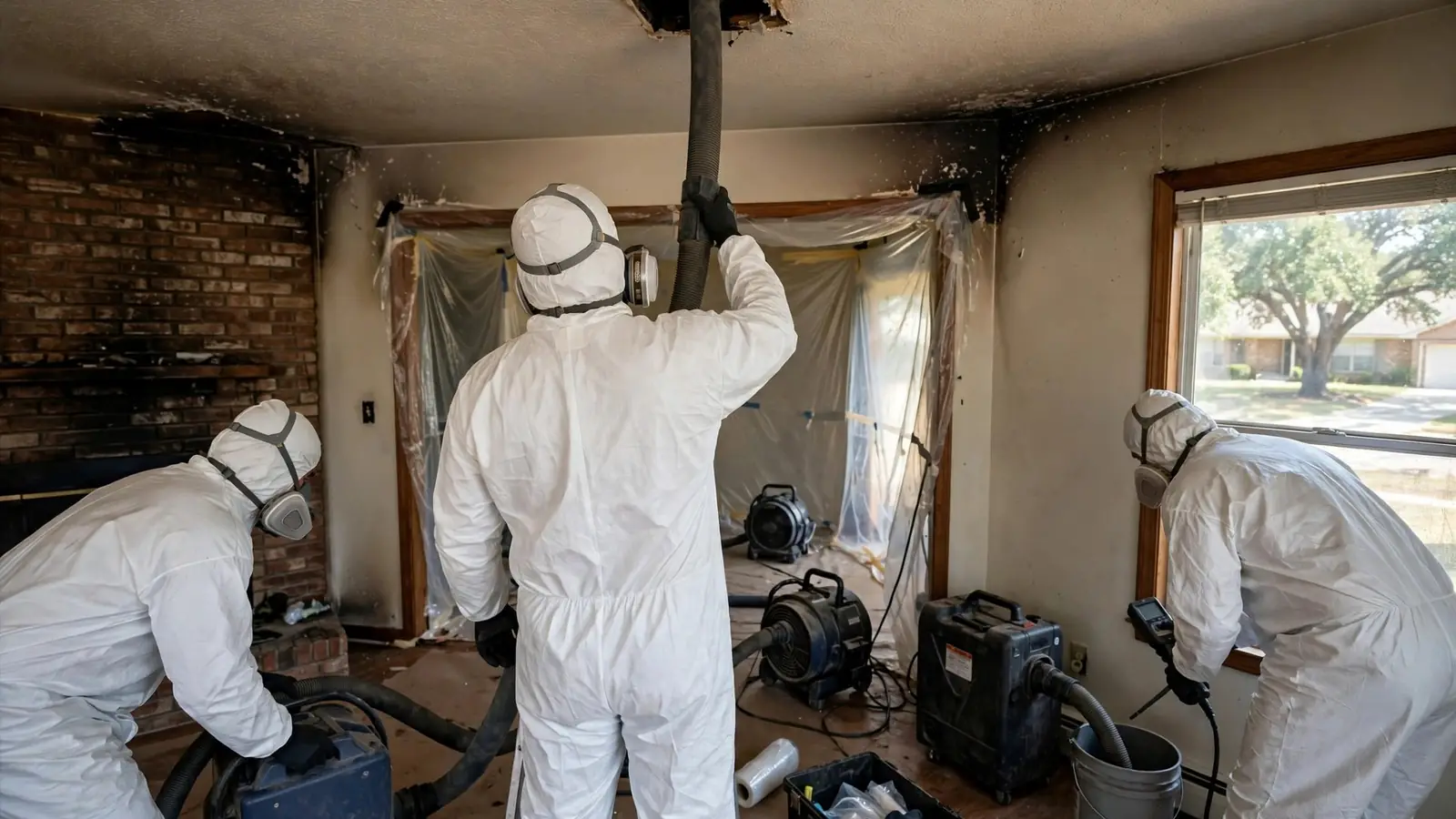
Some older houses have basements or deep crawl spaces. Firefighting water and soot can reach them, and damp, smoky air below the house can rise through floors. A musty smell mixed with smoke suggests moisture is still present.
The EPA notes that damp materials can grow mold within 24 to 48 hours [4], so drying the space below the house is part of clearing the odor.
Odor sources to check in a large house
Places that are easy to miss.
- Back stairs and service hallsSecondary stairways carry smoke too.
- Sleeping porches and sunroomsEnclosed porches often have their own ceilings and attics.
- Window seats and cabinetsClosed wood spaces hold odor.
- Radiator covers and grillesOlder heating elements collect residue.
Choosing treatments for a family home
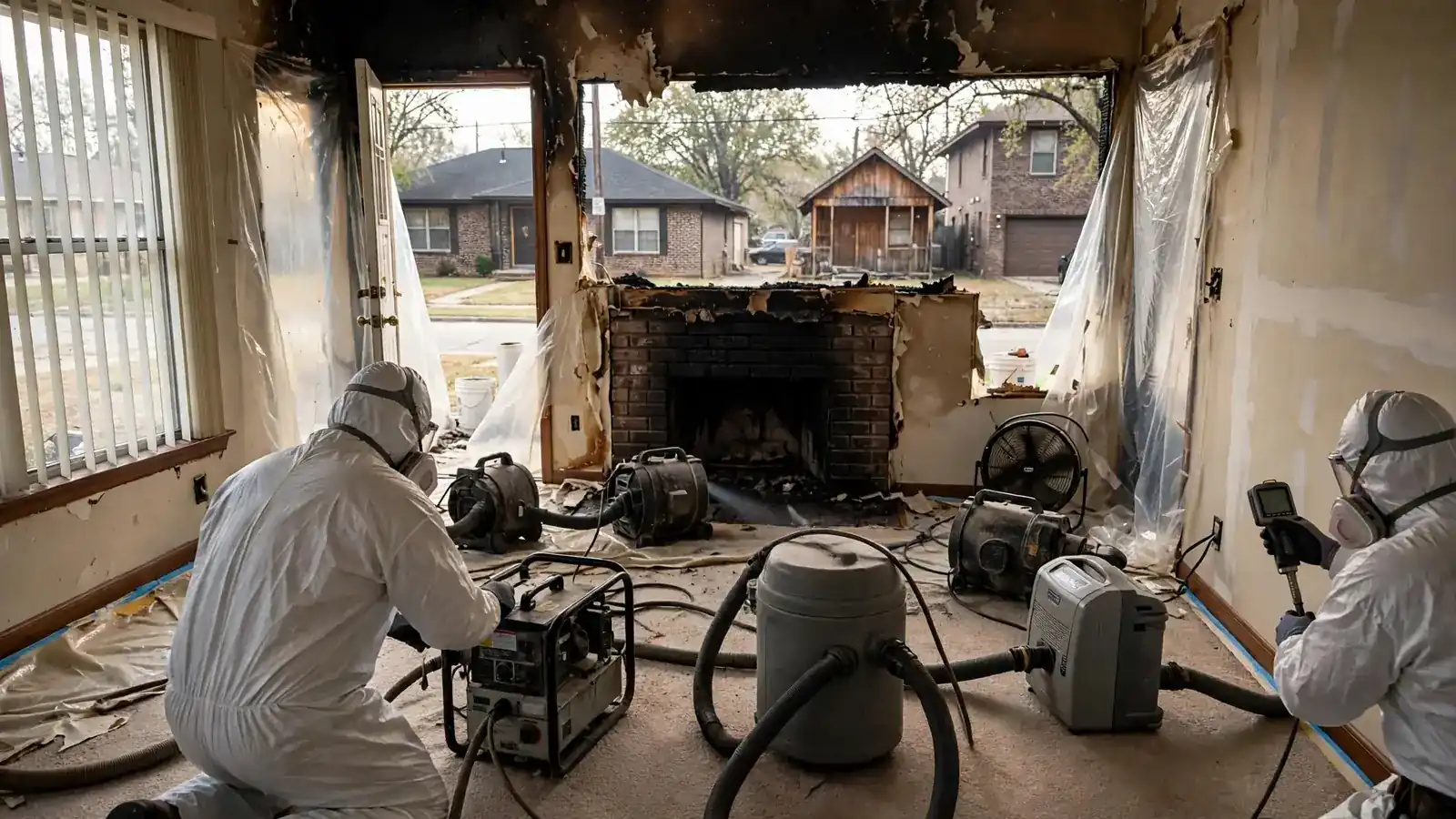
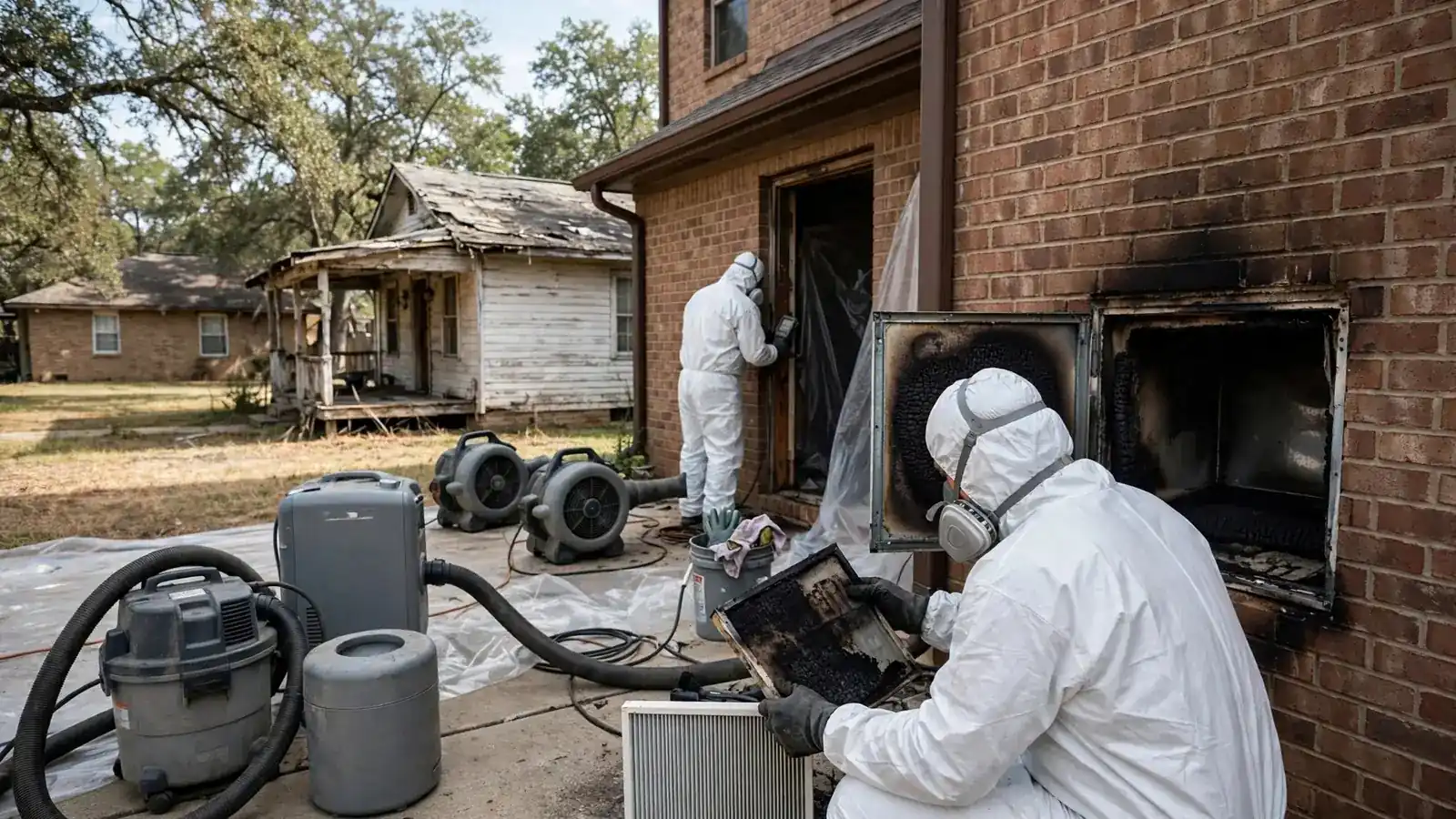
Thermal fogging, hydroxyl generators and sealing primers each have a role. In a large house, the contractor may treat floors one at a time so part of the house can stay in use. Ozone should only be used when the house is empty because of the health risks the EPA describes [3].
Ask for a plan that shows which floors will be treated when, and when each part of the house will be safe to use.
Contents, art and collections
Larger older homes often hold art, antiques, books and collections. These absorb smoke odor and need specialist cleaning rather than general deodorizing. Moving them out before treatment protects them and lets the house be treated more thoroughly.
The Ryan Place page describes pack-outs for large homes and valuable contents.
Confirming the smell is gone
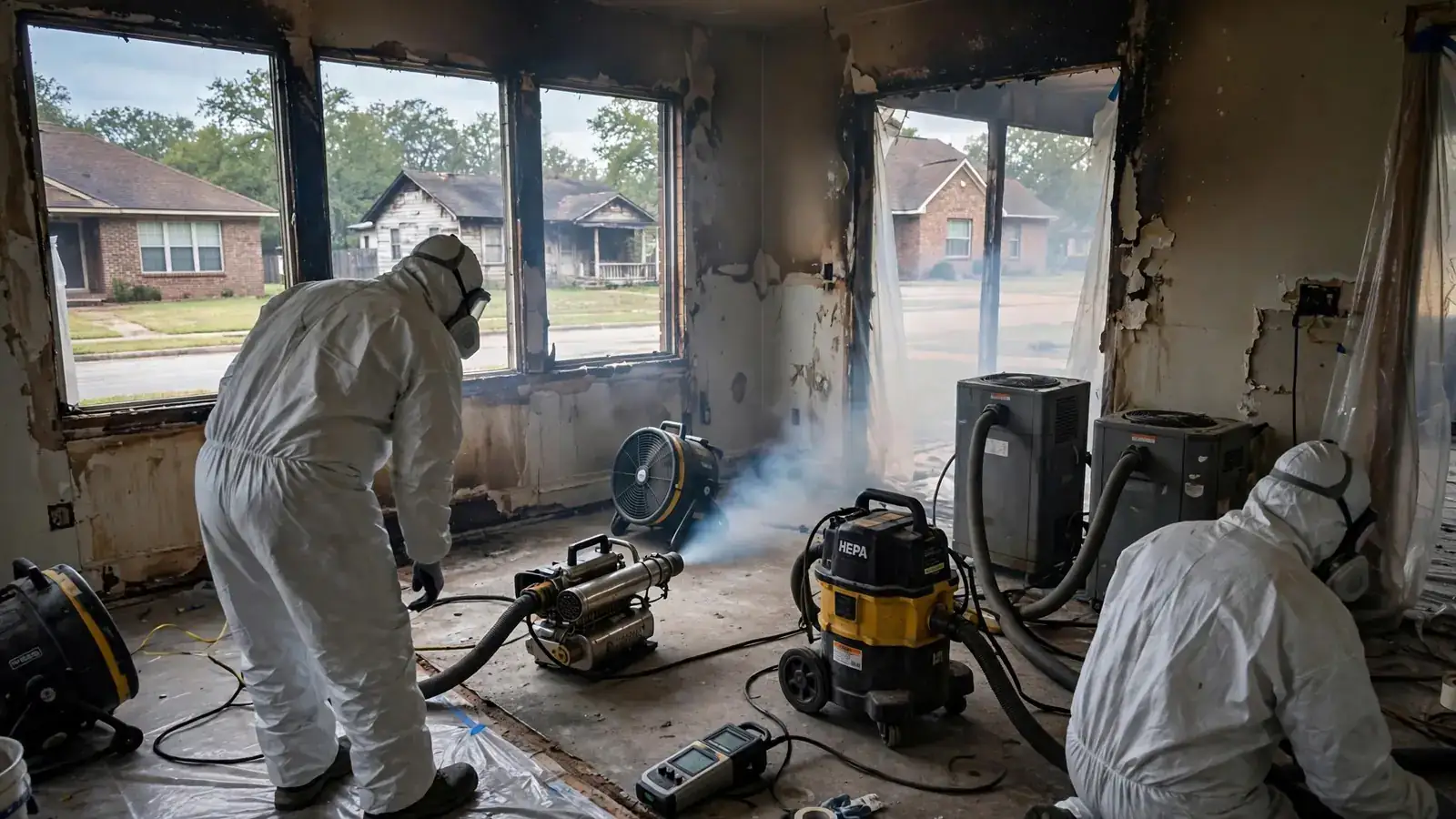
Check every floor with the house closed and the heating or cooling running. Odor that remains on one floor usually points to a source still there. Our guide to smoke odor that won't go away lists the usual suspects.
Longer odor work can keep a family out of a large house for some time; the Texas Department of Insurance explains how additional living expense coverage generally works [5].
Talking with an adjuster about odor in a big house
Odor work across three floors and an attic is a larger job than in a cottage, and adjusters sometimes ask why rooms that look clean still need treatment. Notes from the contractor showing where odor was found, photos of insulation removed from the attic, and a plan that lists each floor make the reasoning easy to follow. Ask for these as the work progresses rather than at the end.
FAQ
Smoke Odor Removal in Ryan Place: questions
Why does my top floor smell worse than the kitchen where the fire was?
Smoke rises through the stairwell and collects on upper floors and in the attic. Those areas often hold the most residue.
Can paneling and built-ins lose the smoke smell?
Usually. Cleaning and refinishing remove most odor; unfinished wood inside may need sealing.
Can we live on one floor during odor work?
Sometimes, if the work is phased by floor and the treatments used are safe nearby. Ask the contractor for a phased plan.
Sources and citations
- [1]U.S. Fire Administration: After a fire
- [2]IICRC: S700 Standard for Professional Fire and Smoke Damage Restoration
- [3]U.S. EPA: Ozone generators that are sold as air cleaners
- [4]U.S. EPA: A brief guide to mold, moisture and your home
- [5]Texas Department of Insurance: Additional living expenses
- [6]U.S. Fire Administration: After a fire