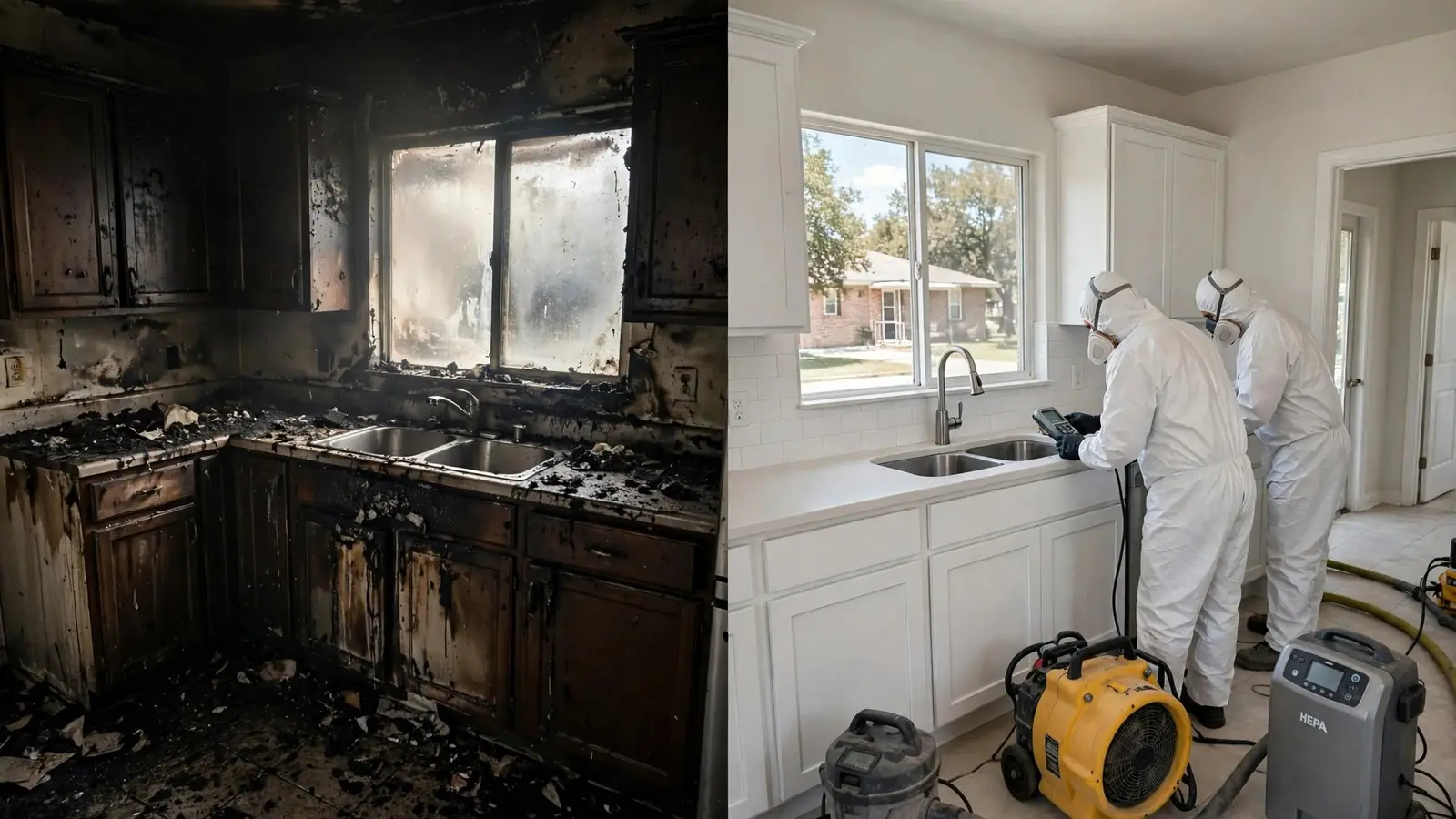
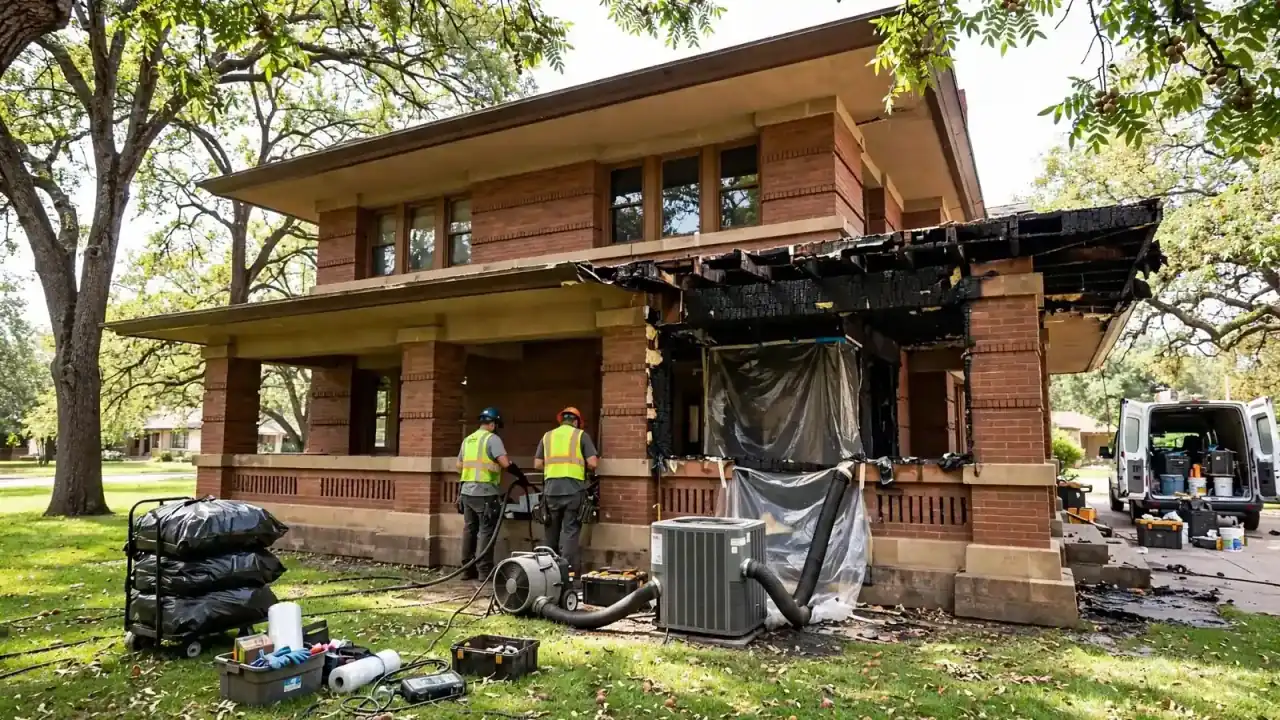
Key facts: Smoke Damage Cleanup in Ryan Place
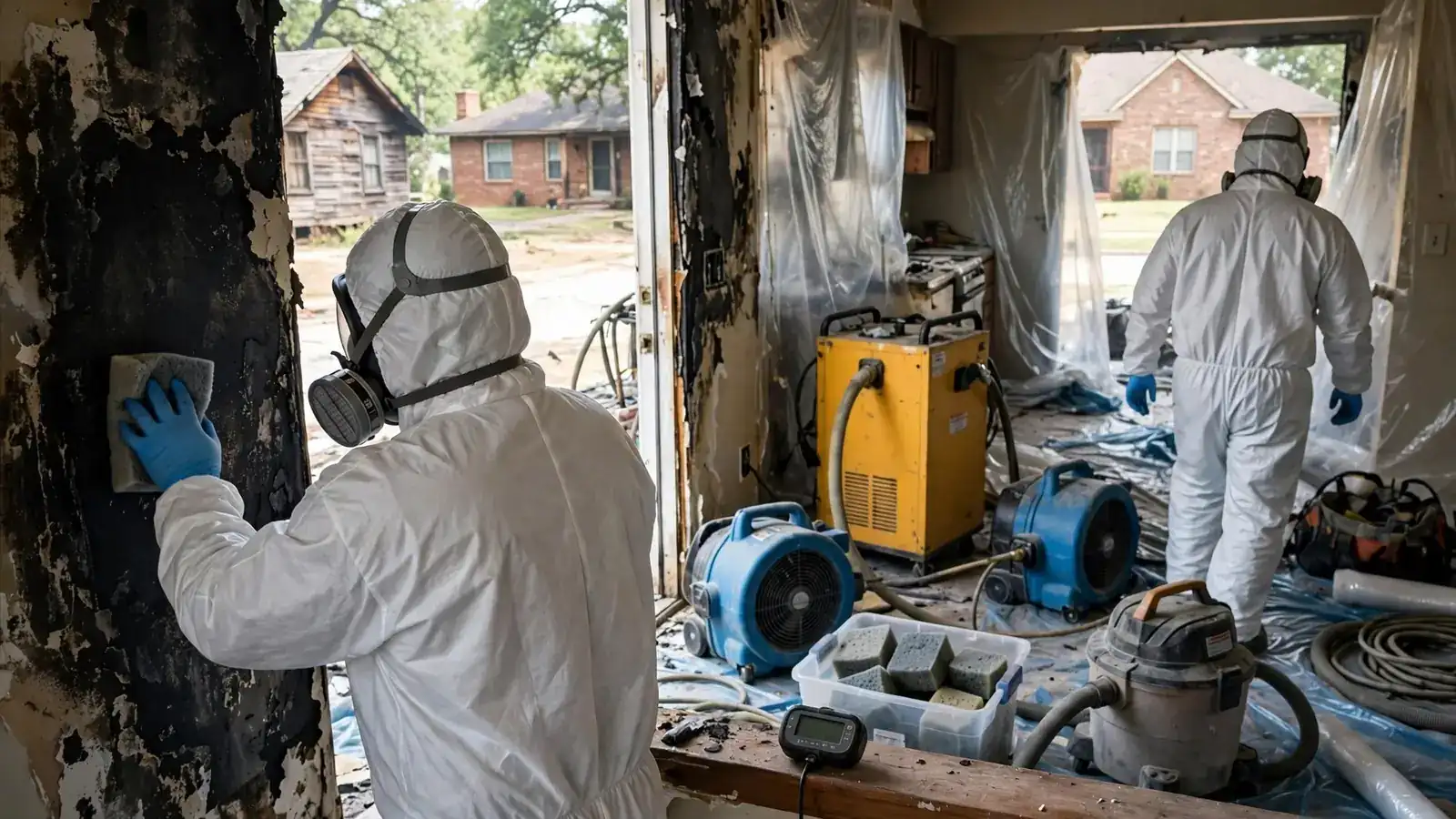
- Before anyone scrubs a sooty Ryan Place room, the U.S. Fire Administration's warning applies: soot and dirty water can hold substances that cause illness [1].
- Paint applied before 1978 may contain lead, which affects how smoke-damaged surfaces are cleaned and prepared [3].
- Ryan Place was founded in 1911 and saw another building boom after World War II, so houses on the same street can differ by decades [7].
Two kinds of houses, two kinds of cleanup
The large early houses have plaster walls, tall ceilings, wood floors, paneled rooms and grand staircases. The postwar houses on side streets are smaller, often brick, with plaster or early drywall and simpler trim. Smoke cleanup in the first means more height, more woodwork and more rooms; in the second it usually means whole-house cleaning of a compact space.
The IICRC S700 standard guides how professionals assess residue and choose methods [2], whichever kind of house it is.
Stairwells and upper floors
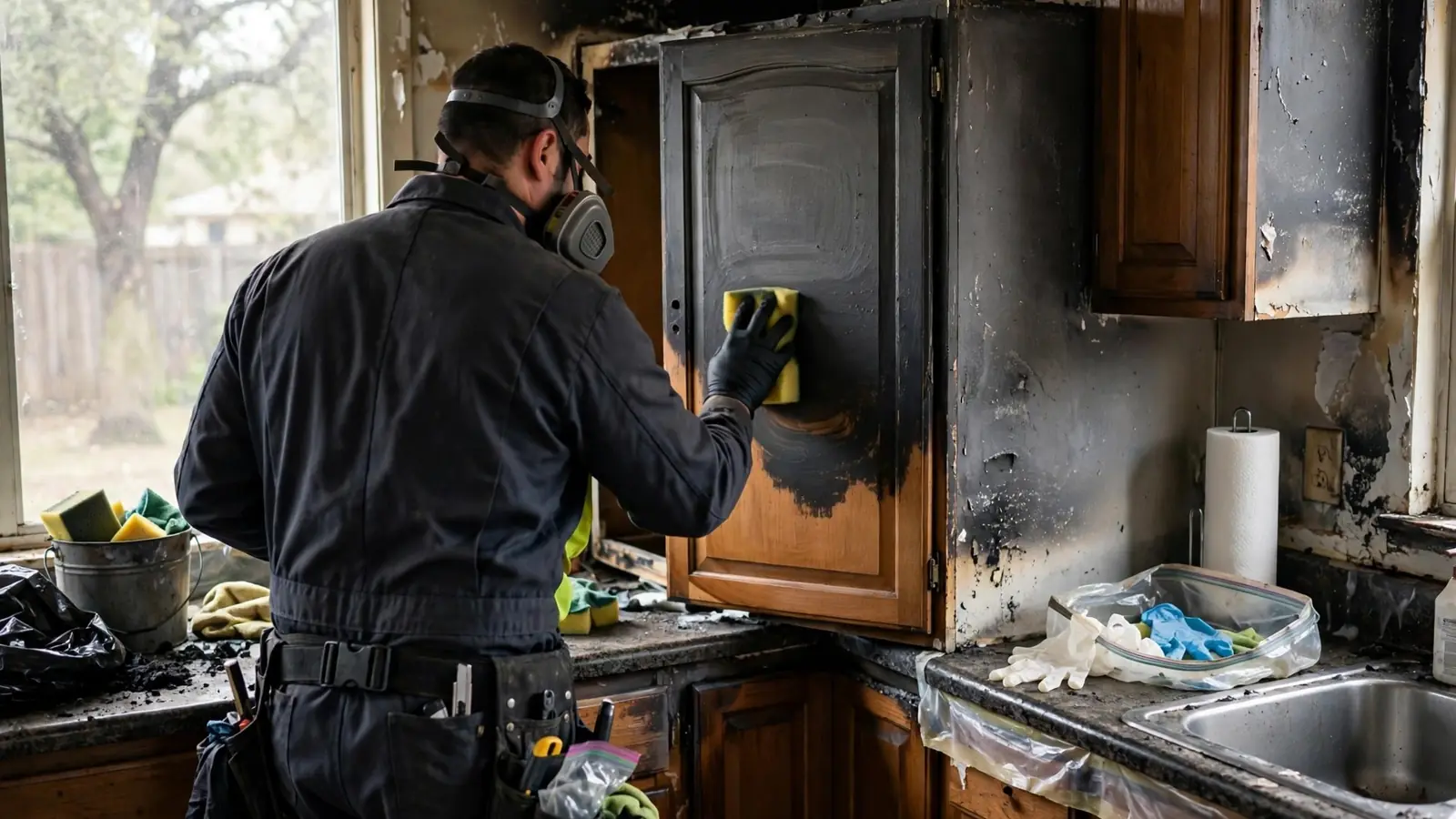
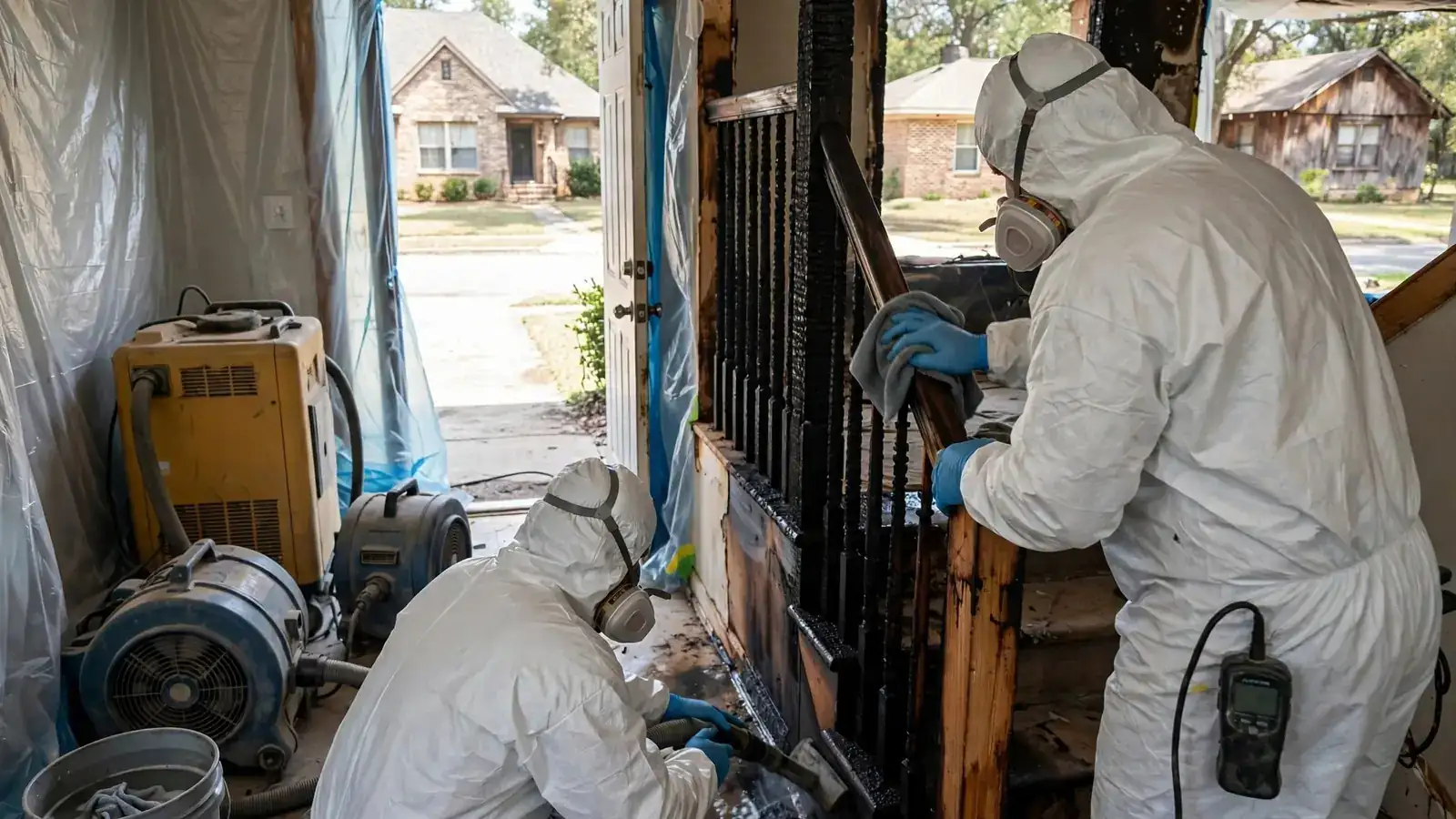
In multi-story houses, smoke climbs the stairs and spreads upstairs. Stair walls, the underside of the staircase, railings and balusters all collect residue. Upper floor ceilings and the attic often carry heavier soot than the ground floor.
Cleaning starts at the top of the house and moves down, so soot loosened above does not fall onto finished rooms below.
Floor-by-floor smoke cleanup in Ryan Place
A typical sequence for a large house.
- 1
Pack out contents and protect fixtures
Belongings are listed and moved; fixed features are covered.
- 2
Clean the attic and top floor
Highest areas first, including insulation removal where needed.
- 3
Work down the stairwell
Walls, railings and the staircase are cleaned as the crew descends.
- 4
Finish the main floor and basement
The room of origin and lower spaces are done last.
Plaster, woodwork and original finishes
Original plaster is dry-cleaned first and then washed with as little water as possible. Painted woodwork is cleaned and resealed if stained. Stained and varnished wood, common on staircases and paneling, is cleaned with products safe for the finish and may need a fresh coat afterwards.
Hardware, light fixtures and decorative grilles are often removed for separate cleaning so their finishes are not harmed.
Lead and asbestos in older houses
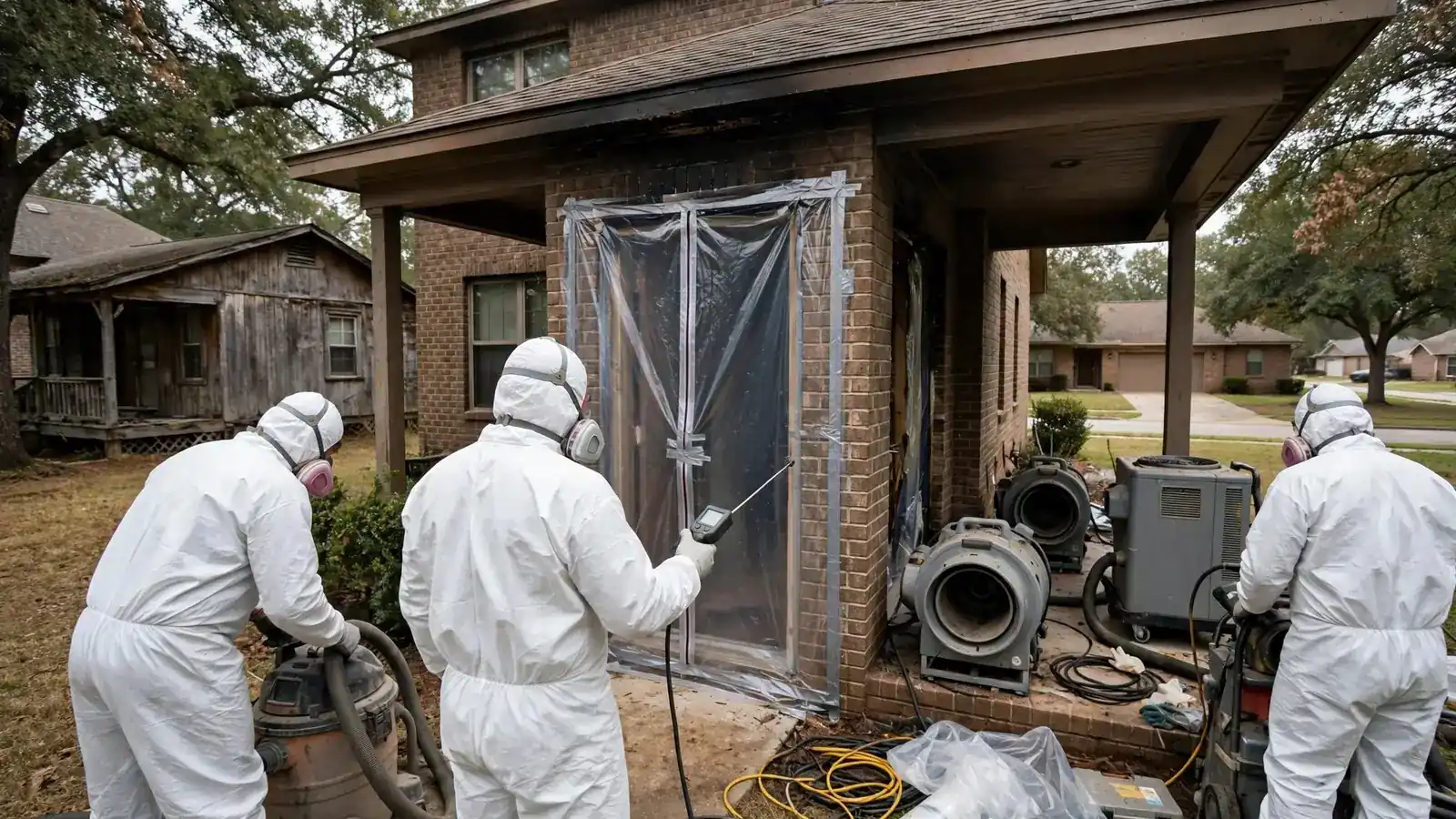
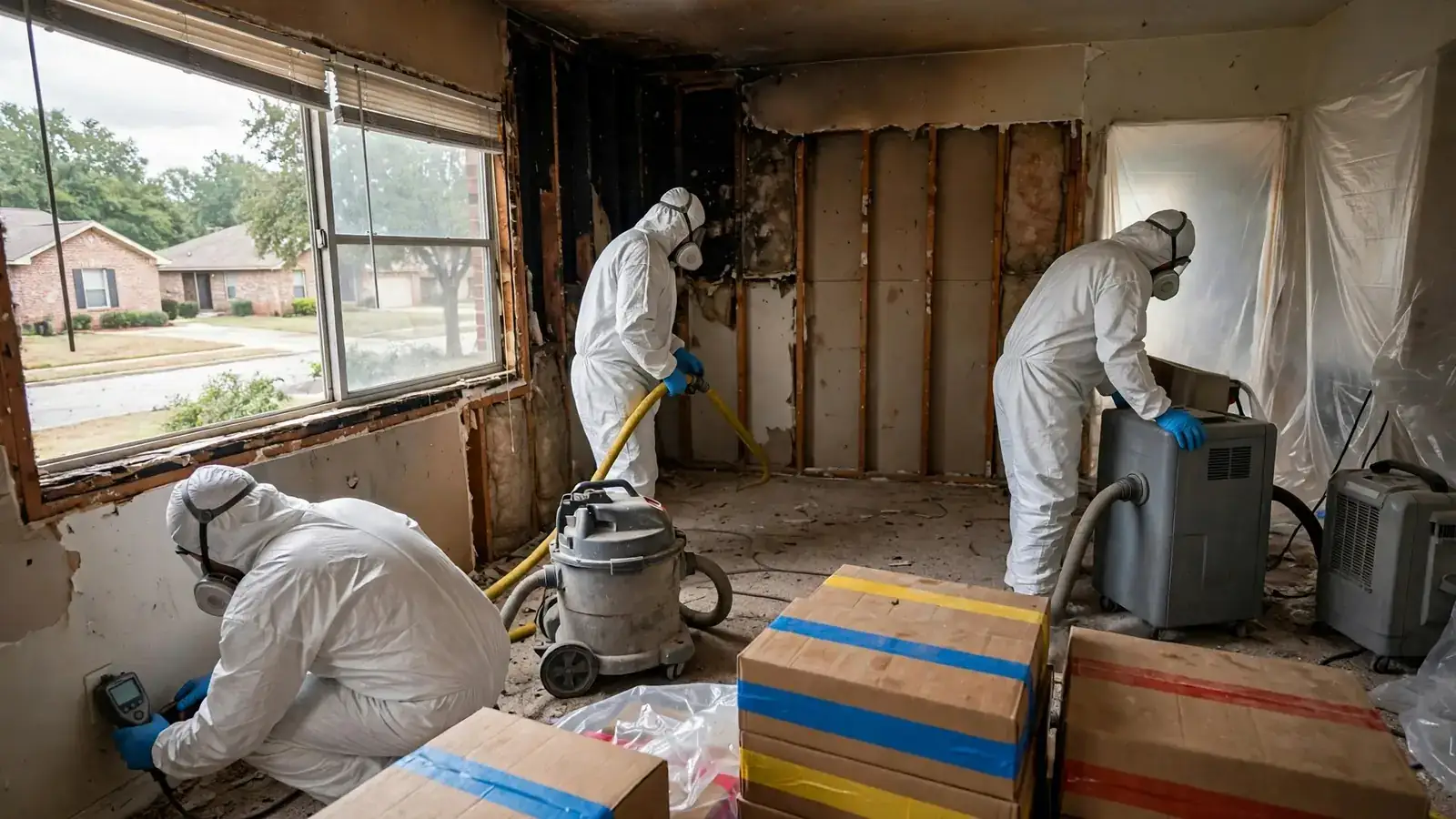
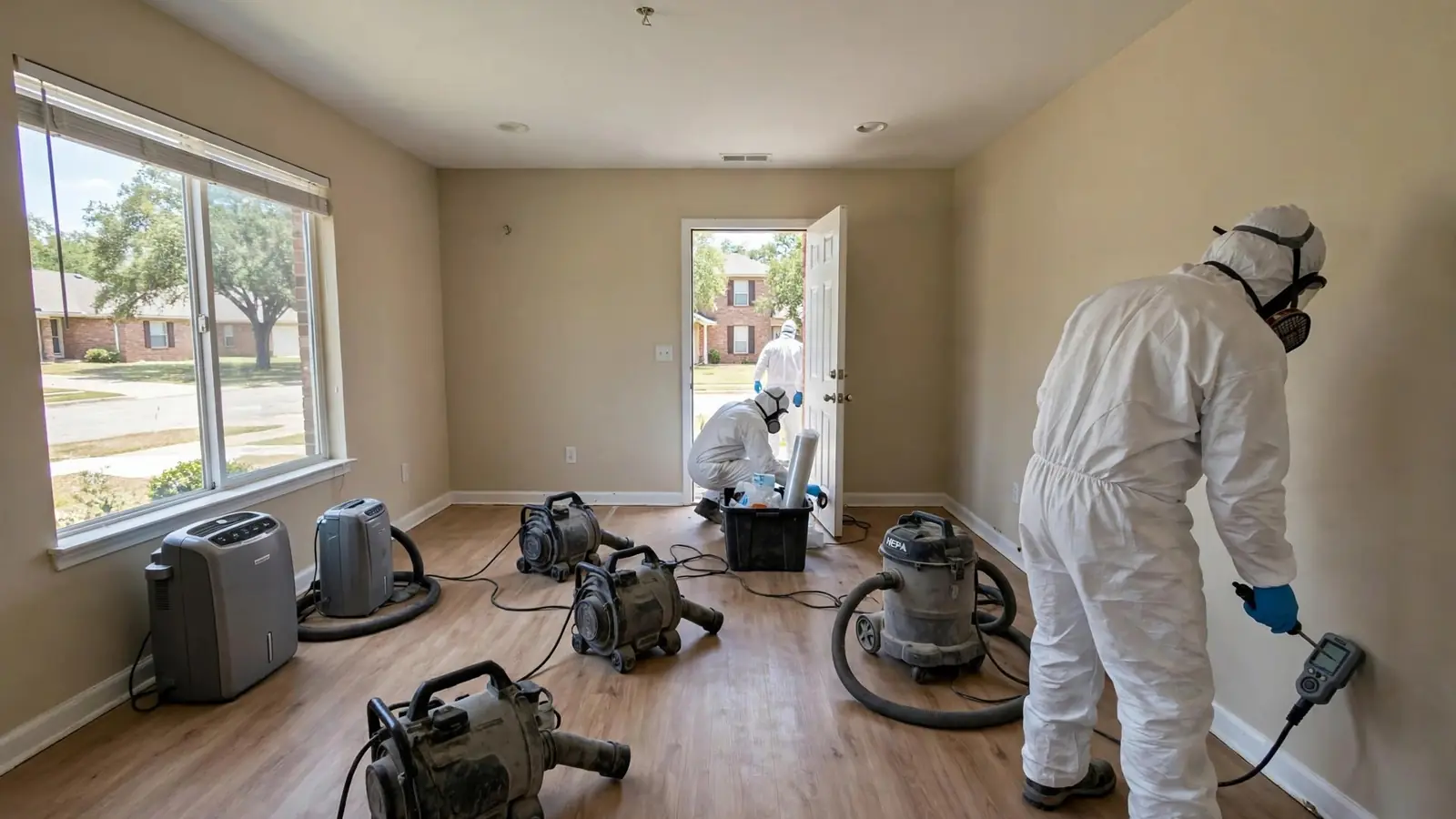
Most Ryan Place houses predate 1978, and original paint may contain lead [3]. Sanding or scraping sooty paint without precautions spreads dust. Lead-safe work uses containment, wet methods and HEPA vacuums.
Some older materials, including pipe insulation and floor tile, may contain asbestos and should be tested before they are disturbed [8].
Contents that need specialist care
Larger older homes often hold items that need more than general cleaning.
- Oil paintings and framed artCleaned by art conservators.
- Antique furnitureCleaned and refinished by furniture specialists.
- Rugs and textilesProfessional cleaning for wool and silk.
- Books and archivesHand-cleaned page by page or block by block.
Pack-outs for large homes
A large house often holds many rooms of furniture, art and personal items. A pack-out moves them to a secure facility for cleaning and storage while the house is restored. Each item is listed, photographed and tracked so it comes back to the right room.
The inventory also supports your claim by showing what was affected and how it was handled.
Sleeping porches, sunrooms and later additions
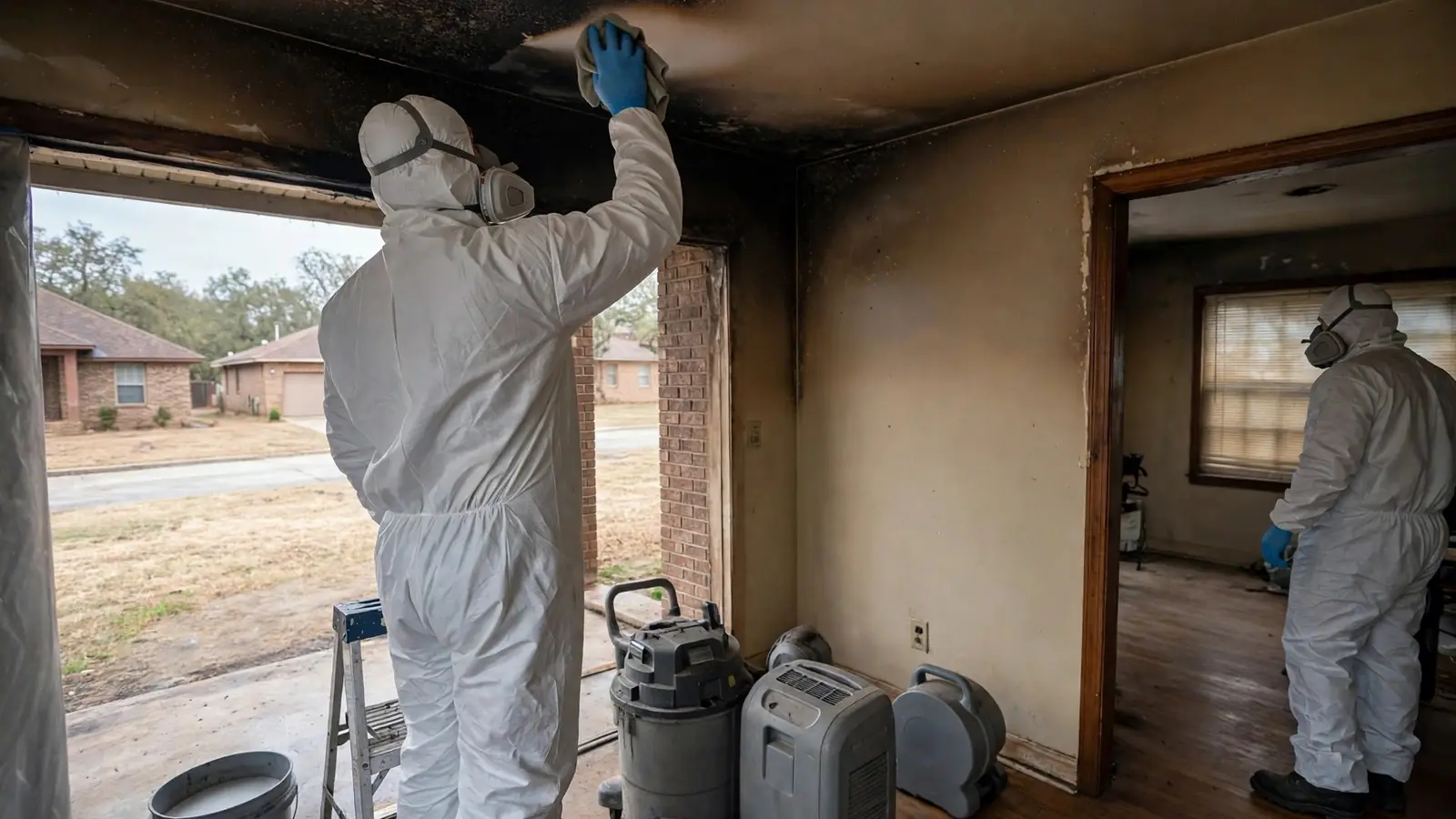
Many larger homes have sleeping porches or sunrooms that were enclosed decades ago, sometimes with their own roofs and attics. Smoke reaches them through open doors and windows, and their ceilings and walls need cleaning like the rest of the house.
The Ryan Place page describes these additions and how they affect a restoration.
After cleaning: odor, drying and rebuilding
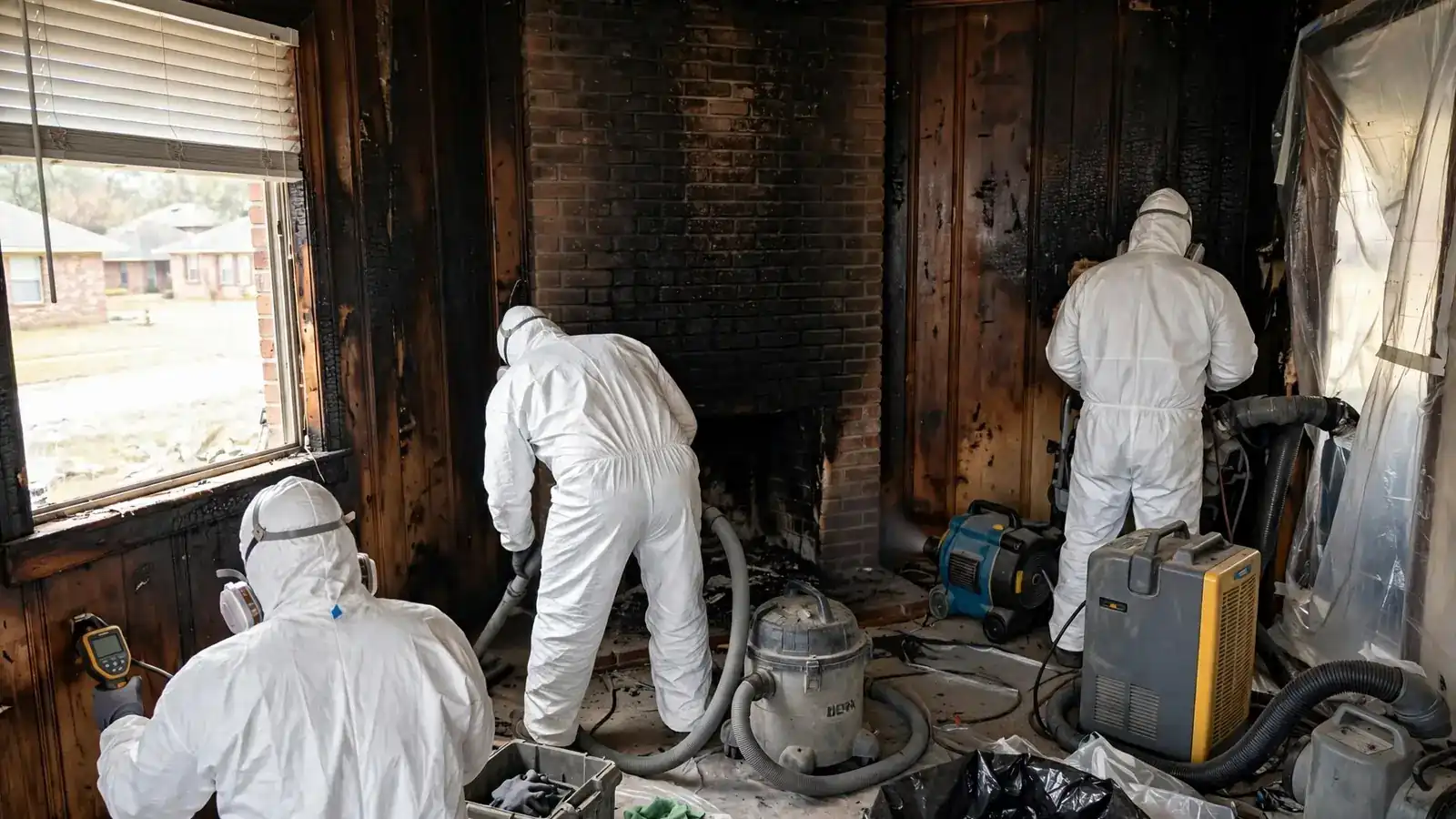
Once surfaces are clean, any remaining smell is treated with smoke odor removal. Wet materials from firefighting must be dry before painting or refinishing. Repairs and rebuilding come last.
A whole-house cleanup can run for weeks in a large home, and the Texas Department of Insurance explains how additional living expense coverage generally works during that time [6].
Radiators, grilles and older heating
Some older Ryan Place houses still have radiators, floor grilles or early forced-air systems with metal registers. Soot settles between radiator fins and inside grilles, and heating them later bakes the smell back into the room. Radiators are cleaned with brushes and vacuums made for their fins, and grilles are removed, washed and reinstalled.
If the house has a newer central system added in a remodel, its ducts and air handler need cleaning before the system is used.
FAQ
Smoke Damage Cleanup in Ryan Place: questions
Why is my attic so sooty when the fire was downstairs?
Smoke rises through stairwells and wall cavities to the top of the house, where it collects in the attic.
Can paneled rooms and staircases be cleaned?
Usually. Wood is cleaned with products safe for its finish and may need a fresh coat afterwards.
Should my art go to a specialist?
Yes. Paintings and delicate items are best cleaned by conservators rather than general restoration crews.
Sources and citations
- [1]U.S. Fire Administration: After a fire
- [2]IICRC: S700 Standard for Professional Fire and Smoke Damage Restoration
- [3]U.S. EPA: Protect your family from sources of lead
- [4]City of Fort Worth: Historic districts
- [5]NFPA: Home structure fires
- [6]Texas Department of Insurance: Additional living expenses
- [7]Texas Legislature: House Resolution 660 (82R) recognizing Ryan Place
- [8]U.S. EPA: Protect your family from exposures to asbestos